
Building finishing chemicals help improve the final look, strength, smoothness, and durability of walls, floors, concrete, and plastered surfaces. In construction, finishing is not just about appearance. A good finish also protects the surface and improves the life of the building.
Contractors use building finishing chemicals to prepare surfaces, repair minor defects, improve bonding, reduce cracks, and create a cleaner final result. These products are commonly used in residential buildings, commercial spaces, renovation work, plastering, painting preparation, and concrete surface finishing.
What Are Building Finishing Chemicals?
Building finishing chemicals are construction chemical products used during the final stages of construction and surface preparation. They help improve the quality of walls, ceilings, floors, plaster, concrete, and masonry surfaces before painting, coating, tiling, or handover.
These products help with:
- Surface smoothness
- Plaster quality
- Wall finishing
- Minor crack filling
- Surface repair
- Bond improvement
- Paint preparation
- Long-term durability
In simple words, building finishing chemicals help make surfaces cleaner, stronger, smoother, and ready for final use.
Why Are Building Finishing Chemicals Used?
Even after major construction work is complete, surfaces may still have defects. Walls may have uneven plaster, cracks, rough patches, pinholes, weak areas, or poor finishing. If workers ignore these problems, the final paint, coating, tile, or decorative finish may not look good or last long.
For example, if a wall surface is rough or dusty, paint may not bond properly. If cracks are not filled, they may appear again after finishing. If plaster is weak, the final finish may peel or become uneven.
For this reason, building finishing chemicals help improve both the appearance and performance of the final surface.
Main Types of Building Finishing Chemicals
1. Wall Putty
Wall putty helps create a smooth surface before painting. It fills small pores, minor surface defects, and uneven areas on walls and ceilings.
Contractors commonly use wall putty for:
- Interior walls
- Ceilings
- Plastered surfaces
- Painting preparation
- Renovation work
A good wall putty improves paint finish and gives the wall a cleaner final look.
2. Skim Coat
Skim coat is used to create a thin, smooth finishing layer over plaster or concrete surfaces. It helps cover surface imperfections and improves the final appearance.
Workers use skim coat when the surface needs extra smoothness before painting or decorative finishing.
3. Crack Fillers
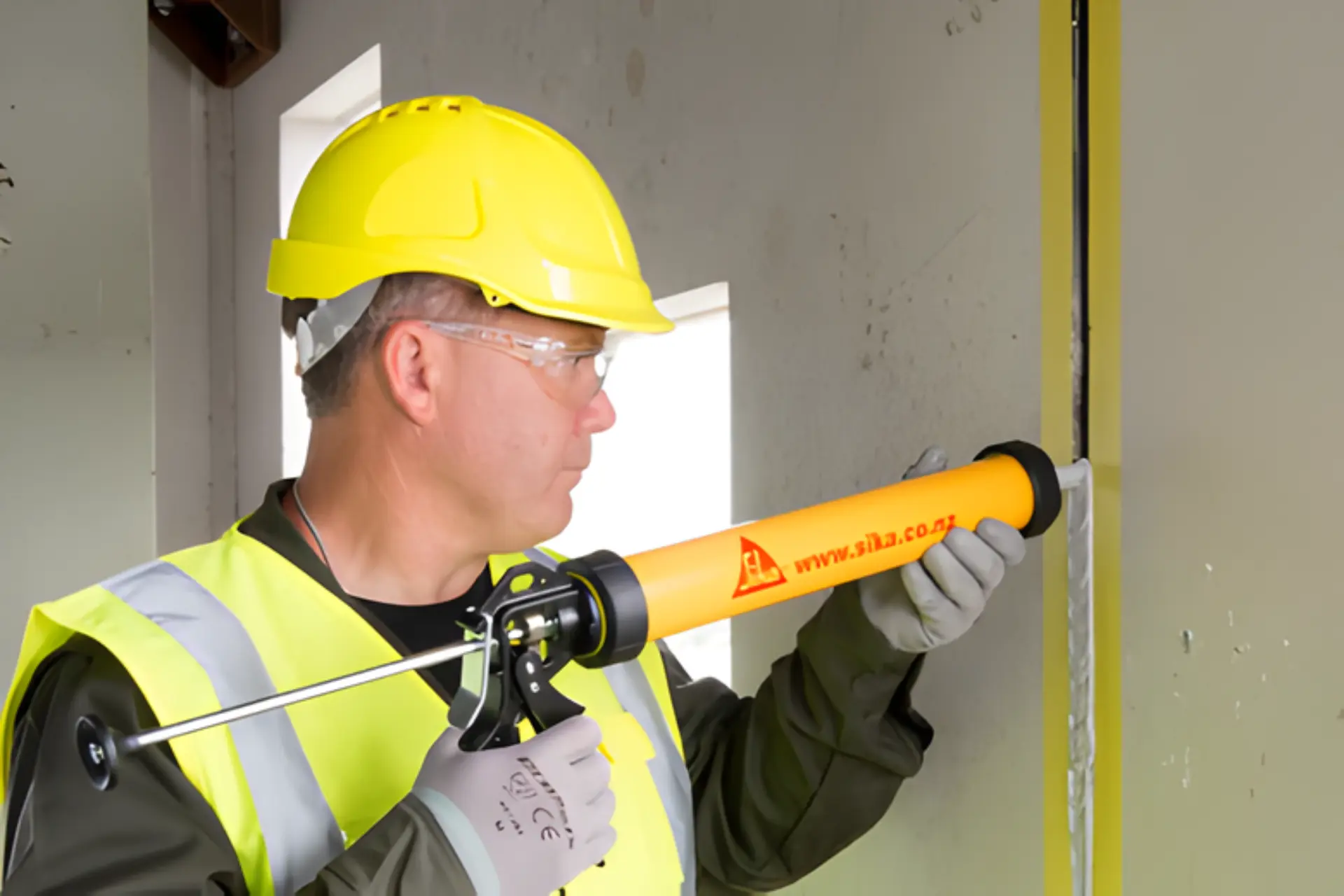
Crack fillers are used to fill small cracks, gaps, and surface openings before finishing work. They help prevent cracks from showing through paint, coatings, or decorative finishes.
Common uses include:
- Wall cracks
- Ceiling cracks
- Plaster gaps
- Concrete surface cracks
- Repair before painting
Before applying paint or wall putty, workers should repair visible cracks properly.
4. Bonding Agents
Bonding agents improve adhesion between old and new surfaces. They help plaster, repair mortar, skim coat, or finishing layers stick properly to the base surface.
Contractors use bonding agents in:
- Plaster repair
- Old surface renovation
- Patch repair
- Surface preparation
- New layer application
Without proper bonding, the finishing layer may crack, peel, or separate from the surface.
5. Plaster Additives
Plaster additives improve the workability, bonding, and performance of plaster. They help make plaster easier to apply and improve its final quality.
These additives are useful when workers need better plaster finish, reduced cracking, or improved application on site.
6. Tile Finishing Products
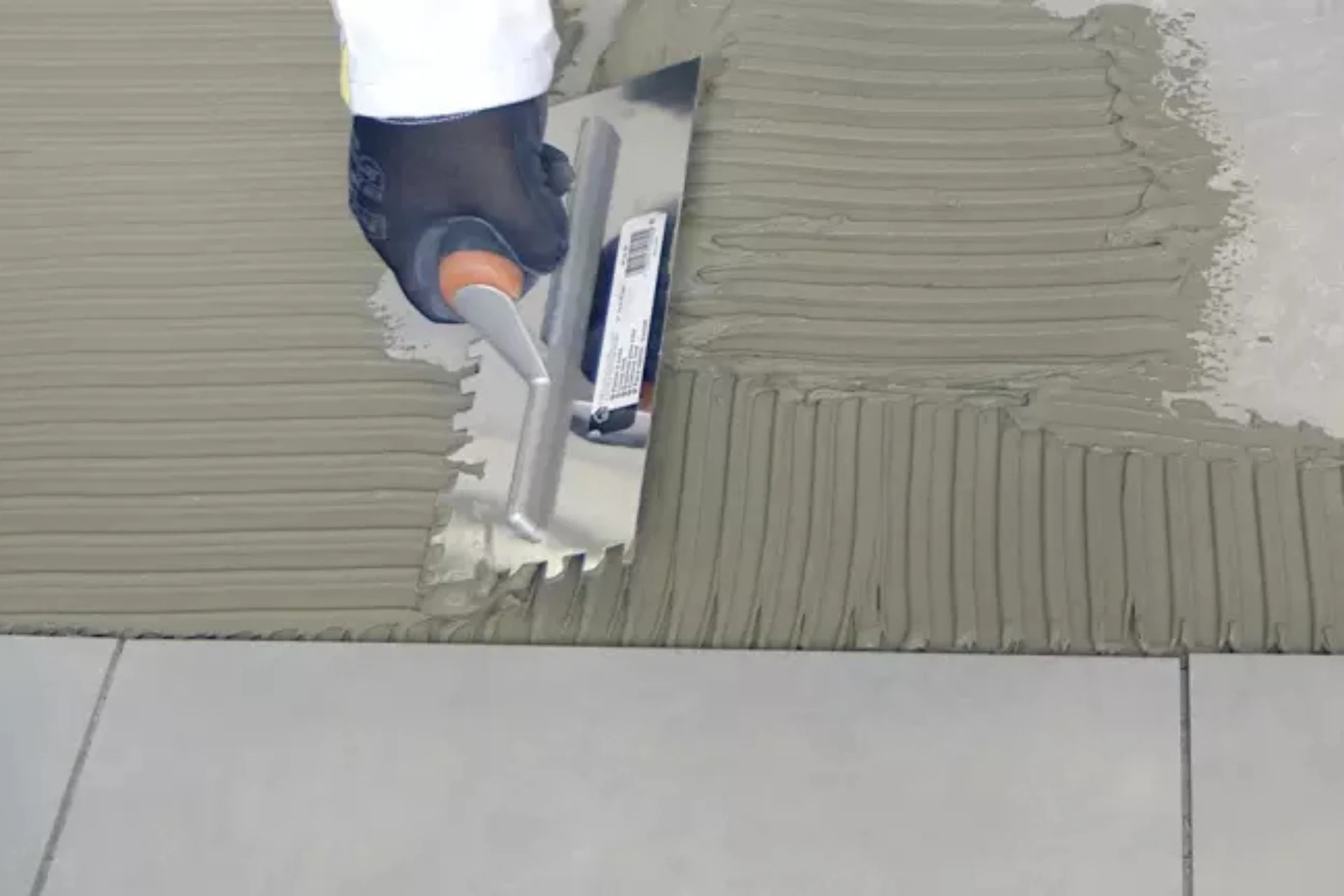
Tile finishing products help improve the final look and durability of tiled areas. These may include tile grout, joint fillers, edge finishing materials, and cleaning support products.
They are commonly used in:
- Bathrooms
- Kitchens
- Floors
- Walls
- Commercial tile areas
Good tile finishing protects joints and improves the final appearance of the surface.
7. Surface Repair Compounds
Surface repair compounds fix minor defects before final finishing. They help correct small holes, rough patches, weak areas, and surface damage.
Workers use them before painting, coating, flooring, or decorative finishing.
Benefits of Building Finishing Chemicals
Building finishing chemicals provide many practical benefits in construction. They help improve the quality of the final surface and reduce future repair problems.
Common benefits include:
- Smoother surface finish
- Better paint appearance
- Improved plaster quality
- Reduced minor cracks
- Better bonding
- Improved surface durability
- Cleaner final appearance
- Reduced maintenance issues
The right finishing product helps make the final work look professional and last longer.
Where Are Building Finishing Chemicals Used?
Building finishing chemicals are used in many areas, such as:
- Interior walls
- Exterior walls
- Ceilings
- Plastered surfaces
- Concrete surfaces
- Bathrooms
- Kitchens
- Tile areas
- Commercial buildings
- Residential buildings
- Renovation projects
- Painting preparation
They are especially useful where the final appearance, smoothness, and surface quality matter.
How to Choose the Right Building Finishing Chemical
Choosing the right finishing chemical depends on the surface condition and the final finish required.
Before selecting a product, ask:
- Is the surface rough or uneven?
- Are there cracks or gaps?
- Is the surface dusty or weak?
- Is the final finish paint, tile, coating, or plaster?
- Is the area indoor or outdoor?
- Does the surface need bonding support?
- Is the project new construction or renovation?
The wrong product can lead to poor finish, peeling, cracking, weak bonding, or early failure. Therefore, surface preparation and product selection matter.
Common Mistakes to Avoid
Building finishing chemicals work well only when workers apply them correctly. Some common mistakes include:
- Applying product on dusty surfaces
- Ignoring cracks before finishing
- Skipping surface preparation
- Using wall putty where repair mortar is needed
- Applying finishing layers on damp surfaces
- Ignoring drying or curing time
- Using the wrong product for exterior areas
- Painting before the surface is ready
These mistakes can damage the final finish and create problems later.
Conclusion
Building finishing chemicals play an important role in the final quality of construction work. They help improve surface smoothness, plaster finish, bonding, crack control, and overall appearance.
From wall putty and skim coat to crack fillers and bonding agents, each product solves a different surface finishing problem. For contractors, builders, and project teams, the goal is not just to make a surface look good. The real goal is to prepare and protect the surface so the final finish lasts longer.
Need help choosing the right building finishing chemical for your project? Contact MCT Chemicals for product guidance and project supply support.
Building finishing products supplied by MCT Chemicals
Request a quotation or technical guidance from MCT Chemicals — Islamabad and Rawalpindi, supplying nationwide.