
Structural strengthening chemicals help improve the strength, stability, and durability of existing structures. In construction, buildings and concrete structures can become weak due to age, cracks, corrosion, overloading, poor workmanship, water damage, or design changes.
Contractors use structural strengthening chemicals when a structure needs extra support, repair, bonding, or reinforcement. These products are commonly used in buildings, bridges, columns, beams, slabs, foundations, industrial structures, and infrastructure repair work.
What Are Structural Strengthening Chemicals?
Structural strengthening chemicals are construction chemical products used to increase or restore the strength of concrete and masonry structures. They help improve bonding, repair cracks, support reinforcement, and strengthen weak structural elements.
These products help with:
- Concrete strengthening
- Crack repair
- Structural bonding
- Reinforcement support
- Load improvement
- Corrosion protection
- Surface repair
- Long-term durability
In simple words, structural strengthening chemicals help make weak or damaged structures stronger and more reliable.
Why Are Structural Strengthening Chemicals Used?
Structures may need strengthening for many reasons. Sometimes a building is old and the concrete has weakened. Sometimes cracks appear in beams, columns, or slabs. In other cases, the structure needs to carry more load than before because of renovation, machinery, additional floors, or change of use.
For example, if a concrete beam develops cracks, workers may need repair mortars, bonding agents, epoxy systems, or carbon fiber strengthening to improve performance. Similarly, if steel reinforcement starts corroding, the structure may need repair and protection before the damage spreads.
For this reason, structural strengthening chemicals are important for both repair work and long-term safety.
Main Types of Structural Strengthening Chemicals
1. Epoxy Bonding Systems
Epoxy bonding systems provide strong adhesion between concrete, steel, and repair materials. They are commonly used where high bonding strength is required.
Contractors use epoxy bonding systems for:
- Structural repair
- Concrete-to-concrete bonding
- Steel-to-concrete bonding
- Crack repair
- Anchoring
- Strengthening work
Epoxy bonding products need proper surface preparation because weak or dusty surfaces can reduce bonding strength.
2. Carbon Fiber Strengthening Systems
Carbon fiber strengthening systems help increase the strength of beams, slabs, columns, and other structural members. These systems usually include carbon fiber sheets or strips with special bonding resins.
They are useful when a structure needs extra load capacity without adding heavy concrete or steel sections.
Common applications include:
- Beam strengthening
- Slab strengthening
- Column wrapping
- Bridge repair
- Seismic strengthening
- Industrial structures
Carbon fiber systems require skilled application and proper structural assessment.
3. Repair Mortars
Repair mortars restore damaged concrete surfaces and structural areas. They help repair spalled concrete, honeycombing, broken edges, and weak surface zones.
Contractors use repair mortars for:
- Columns
- Beams
- Slabs
- Walls
- Stairs
- Precast elements
- Concrete patch repairs
A good repair mortar should bond well, gain strength properly, and match the repair requirement.
4. Crack Injection Systems
Crack injection systems repair cracks inside concrete. Workers inject epoxy or polyurethane materials into cracks to seal, bond, or strengthen the affected area.
Epoxy injection is commonly used for structural cracks where bonding strength is needed. Polyurethane injection is often used where water leakage or movement is involved.
Common uses include:
- Structural crack repair
- Leakage crack sealing
- Concrete strengthening
- Basement repair
- Water-retaining structures
5. Chemical Anchoring Systems
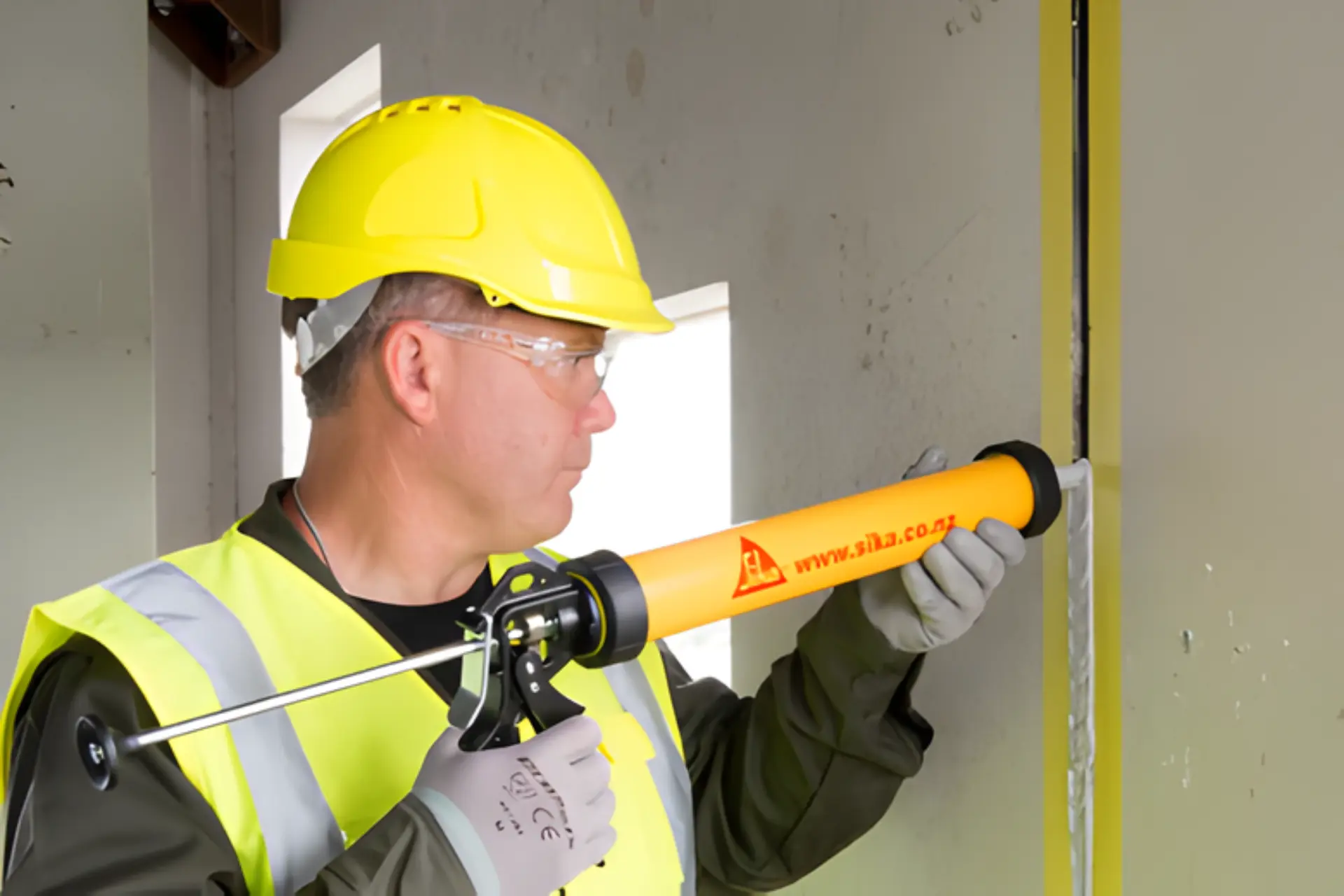
Chemical anchoring systems fix rebars, bolts, rods, and anchors into concrete or masonry. They create strong bonding inside drilled holes.
Common applications include:
- Rebar fixing
- Anchor bolt installation
- Steel structure fixing
- Machinery foundation support
- Facade support
- Structural connections
Chemical anchoring is important when mechanical fixing alone is not suitable.
6. Anti-Corrosion Coatings
Anti-corrosion coatings protect exposed steel reinforcement from rust and deterioration. Workers apply them before repairing damaged concrete.
They are useful when reinforcement is visible due to concrete spalling, cracking, or corrosion damage.
7. Bonding Agents
Bonding agents improve adhesion between old concrete and new repair materials. They help repair mortar, screed, plaster, or concrete stick properly to the base surface.
Without proper bonding, the repair material may crack, debond, or fail early.
Benefits of Structural Strengthening Chemicals
Structural strengthening chemicals provide several benefits in repair and construction work. They help improve performance, safety, and durability.
Common benefits include:
- Improved structural strength
- Better bonding between materials
- Crack repair and sealing
- Improved load capacity
- Protection against corrosion
- Longer structure life
- Reduced future repair cost
- Better durability under site conditions
The right strengthening system can help restore weak structures and support long-term performance.
Where Are Structural Strengthening Chemicals Used?
Structural strengthening chemicals are used in many areas, such as:
- Buildings
- Bridges
- Columns
- Beams
- Slabs
- Foundations
- Basements
- Industrial structures
- Parking structures
- Water tanks
- Infrastructure projects
- Repair and renovation work
They are especially important where structural safety, load capacity, and long-term durability matter.
How to Choose the Right Structural Strengthening Chemical
Choosing the right product depends on the type of damage, structural requirement, load condition, and site environment.
Before selecting a strengthening product, ask:
- Is the damage structural or non-structural?
- Are cracks active or stable?
- Is steel reinforcement corroded?
- Does the structure need extra load capacity?
- Is bonding strength required?
- Is water leakage involved?
- Is the surface concrete, steel, or masonry?
- Does the repair need expert structural assessment?
The wrong product can lead to poor bonding, weak repair, cracking, or failure. Therefore, technical guidance and proper inspection are important before starting strengthening work.
Common Mistakes to Avoid
Structural strengthening chemicals work well only when workers apply them correctly. Some common mistakes include:
- Ignoring structural inspection
- Using non-structural products for structural repair
- Applying material on weak or dusty surfaces
- Skipping reinforcement corrosion treatment
- Using the wrong epoxy or grout
- Ignoring crack type and movement
- Not following curing time
- Applying strengthening systems without proper design
These mistakes can reduce strength and create serious safety problems later.
Conclusion
Structural strengthening chemicals play an important role in repairing and improving weak structures. They help restore strength, repair cracks, protect reinforcement, improve bonding, and extend the life of buildings and infrastructure.
From epoxy bonding systems and repair mortars to carbon fiber strengthening and chemical anchoring, each product solves a different structural problem. For contractors, builders, and project teams, the goal is not just to repair visible damage. The real goal is to strengthen the structure correctly and protect it for long-term performance.
Need help choosing the right structural strengthening chemical for your project? Contact MCT Chemicals for product guidance and project supply support.
Structural strengthening products supplied by MCT Chemicals
- Structural strengthening systems
- Browse all refurbishment products
- SikaWrap®-230 C — carbon fibre fabric
- Sikadur®-31/41 CF Slow — structural epoxy adhesive
Request a quotation or technical guidance from MCT Chemicals — Islamabad and Rawalpindi, supplying nationwide.