

Project solutions
Bridge / flyover
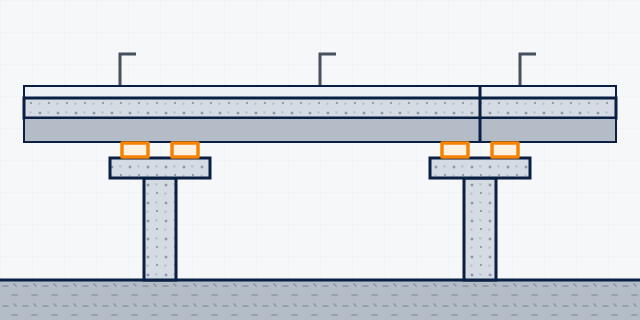
Bridges and flyovers need strong concrete placed in heat, bearings grouted level, and expansion joints that move. Older bridges need repair, corrosion protection and sometimes strengthening to an engineer's design.
Solutions in build order
What this project needs, step by step
 High-performance ready-mix concrete
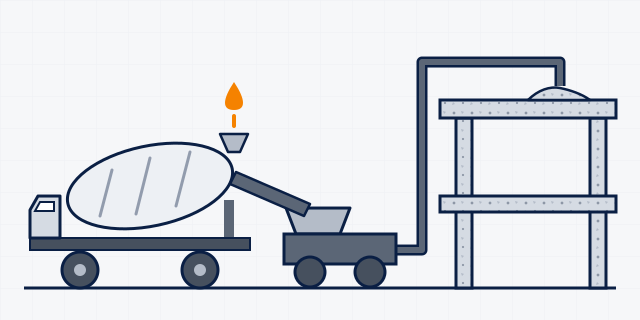
Ready-mix plants supplying high-strength, pumped or long-haul concrete need a superplasticiser that holds slump, cuts water and works with GGBS, fly ash or microsilica. Durability admixtures cover corrosion and air entrainment where the specification asks for them.
 Mass concrete & set retarding
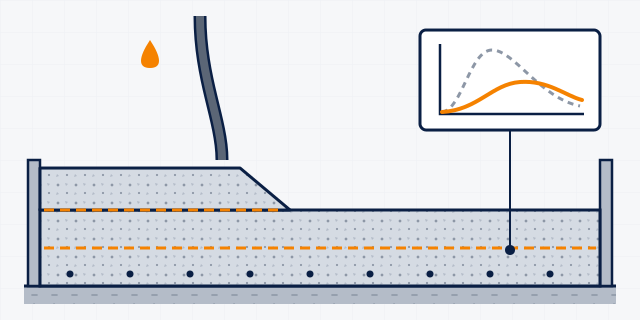
Thick rafts, dams, bridge piers and large foundations heat up as the cement hydrates and can crack, and big pours risk cold joints. A retarding superplasticiser or set retarder spreads the heat release and keeps each layer workable until the next one arrives.
 Concrete curing
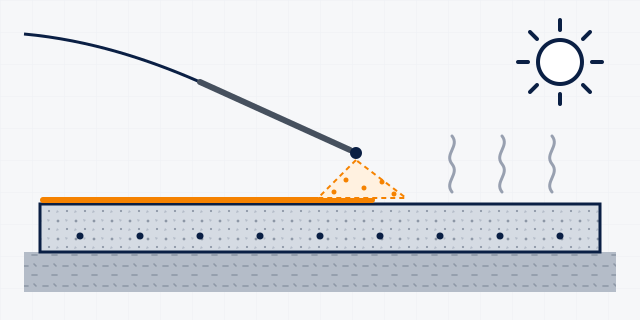
Curing keeps water in young concrete so it gains strength and does not crack or dust. In Pakistan's heat and dry wind it must start within minutes of finishing, by wet curing or a sprayed curing compound.
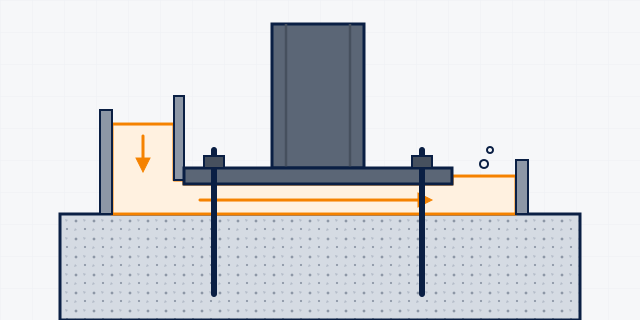 Base plate & bearing grouting
Steel columns, bridge bearings and equipment sit on a layer of non-shrink grout that carries the load into the foundation. Choose the grout by gap depth, mix it with only the specified water, and pour it continuously from one side.
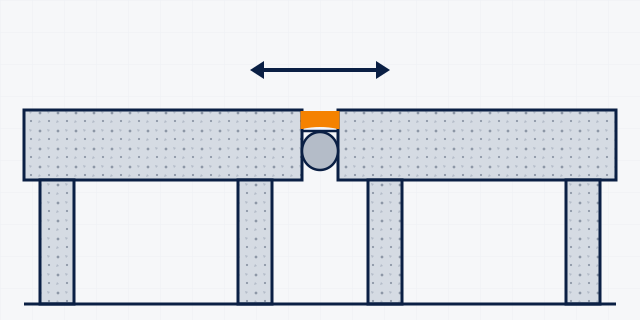 Building expansion and movement joints
The gaps between building blocks, slabs, walls and roofs that let the structure expand, shrink and settle. They need a sealant or tape matched to the movement, a correctly sized joint and a backer rod, or water gets in and edges break.
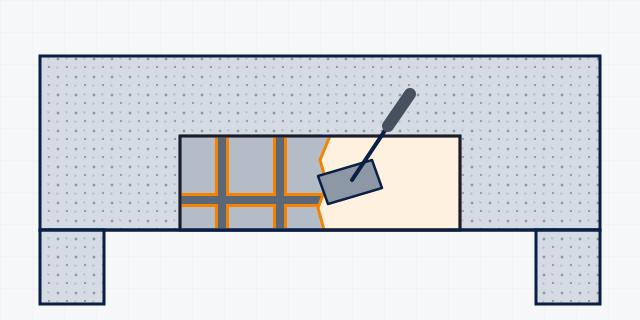 Spalling concrete (chhajja, balcony, beam, column)
Concrete that cracks, bulges and falls away, usually with rusty steel behind it, on chhajjas, balcony slabs, beams, columns and tank slabs. This guide follows the EN 1504 sequence: remove, protect the steel, rebuild, seal and protect.
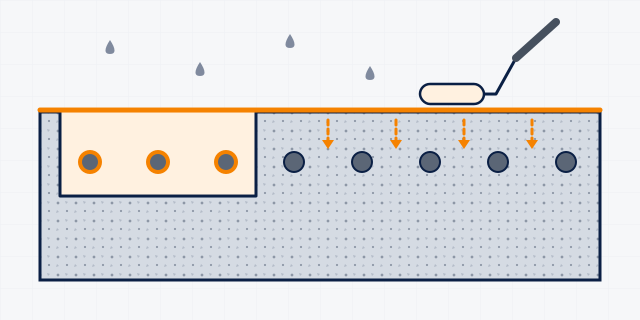 Rusting reinforcement (rebar corrosion)
Steel bars inside concrete rust when carbonation or chlorides reach them; the rust swells and cracks the cover. This guide covers finding corrosion early, treating exposed steel, and slowing corrosion in concrete that has not spalled yet.
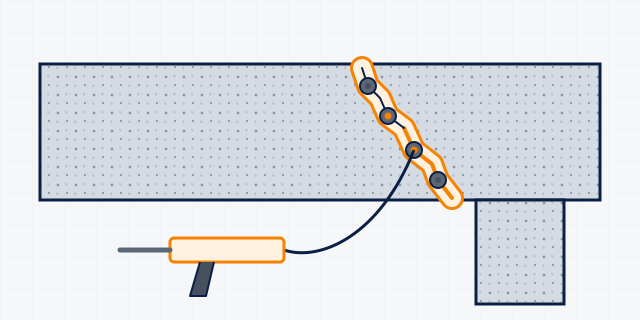 Structural cracks in beams, columns & slabs
Cracks in load-bearing members can come from overload, settlement, corrosion or design faults, so an engineer must find the cause first. Dry or damp cracks are then bonded by epoxy injection; leaking cracks follow the leaking-cracks guide.
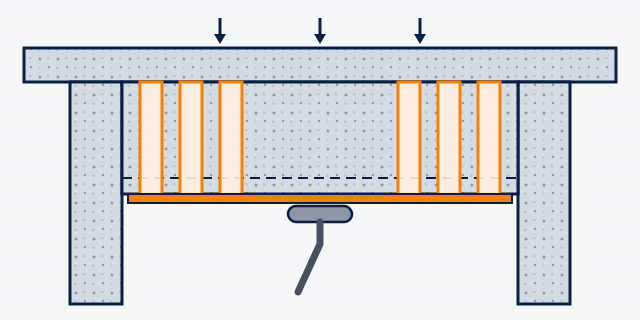 Structural strengthening (FRP wrapping)
Adding capacity to beams, columns, slabs and walls with bonded carbon or glass fibre fabrics, for change of use, design or construction defects, corrosion loss or seismic upgrading. This is engineer-designed work installed only by trained specialists.
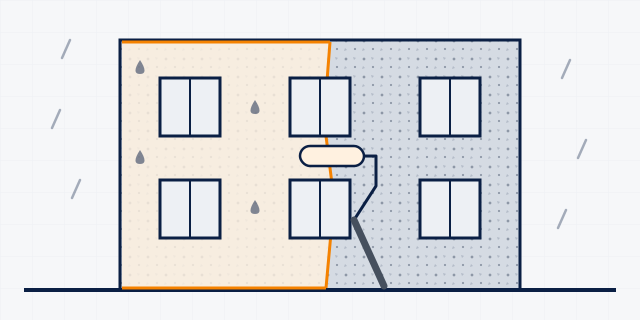 Protective coatings & water repellents for concrete
Coatings and impregnations that keep water, chlorides and carbon dioxide out of concrete facades, bridges, car parks and repaired structures. Choose a clear impregnation, an anti-carbonation coating or a crack-bridging coating to suit the exposure.