
Project solutions
Food / pharma plant
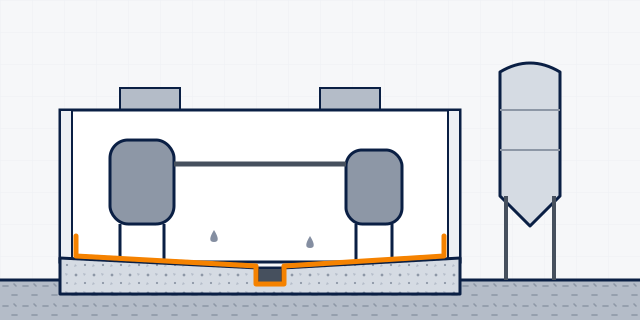
Food and pharmaceutical plants need hygienic floors and walls that take hot water, cleaning chemicals and constant washing. Joints and grout lines must not trap dirt.
Solutions in build order
What this project needs, step by step
 Waterproof (watertight) concrete
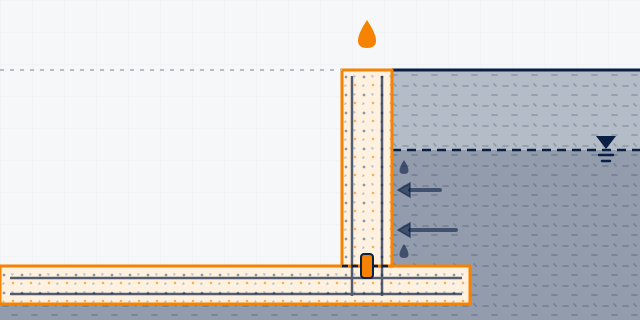
For basements, water tanks, pools and sewage works, make the concrete itself resist water with a low water–cement ratio, an integral waterproofing admixture and sealed construction joints. This is for new pours; it cannot fix a structure that already leaks.
 Food, beverage & chemical floors
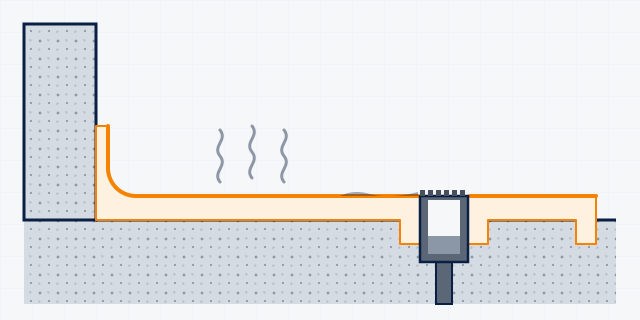
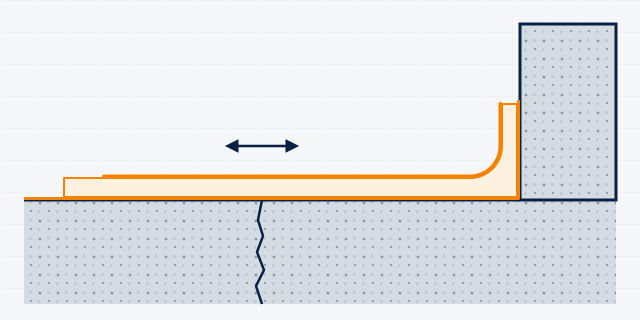
Dairies, bakeries, beverage plants, pharma and chemical areas need floors that resist hot water, steam cleaning, thermal shock and chemicals without tainting food. Polyurethane-cement screeds (PurCem, Ucrete) with coved upstands are the usual answer.
 Polyurethane & elastic floors
Polyurethane floors are tougher and more flexible than epoxy, can bridge fine cracks and, with the right seal coat, resist UV. Use them on crack-prone slabs, for comfortable decorative interiors, on balconies, and as PU-cement screeds where heavy wear and heat occur.
 Chemical-resistant tile grout and bedding
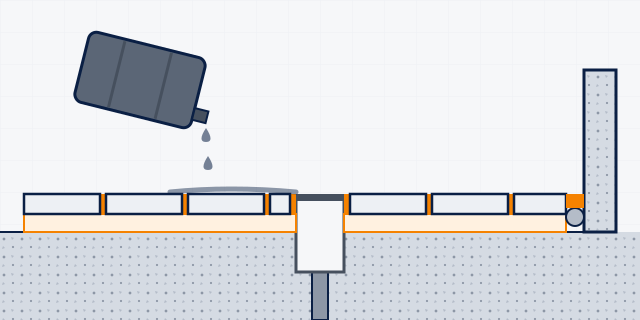
Tiled floors and walls in food plants, dairies, labs, industrial kitchens, plant rooms and thermal or salt-water pools need epoxy bedding and grout that resist acids, cleaning agents and wash-down. These are specialist systems.
 Epoxy tile grout (showers, kitchens, hospitals)
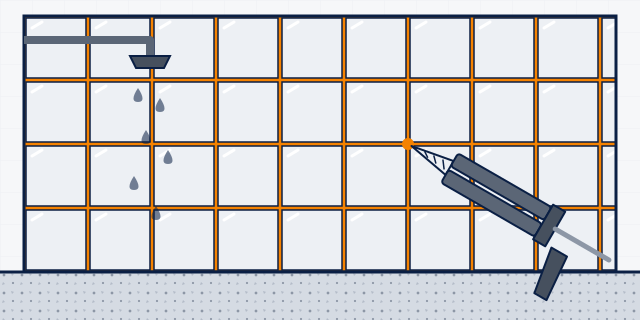
Two-part epoxy grout from a cartridge gun gives stain-resistant, easy-clean joints in wet rooms, kitchens, malls, hospitals and indoor pools. It is for interior use, and the tile face needs protecting during grouting.
 Floor joints in car parks, warehouses and roads
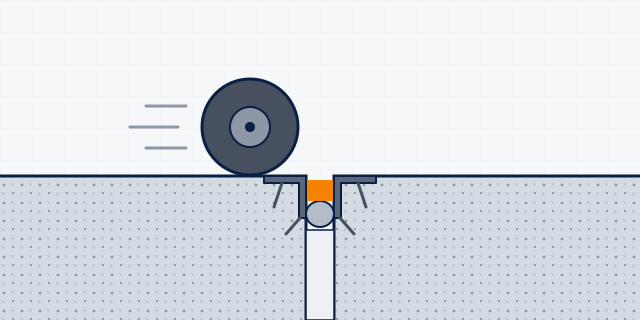
Saw-cut, expansion and connection joints in floors that carry people, cars, forklifts or trucks. The sealant must take both traffic and movement, and the joint must be sized for it.
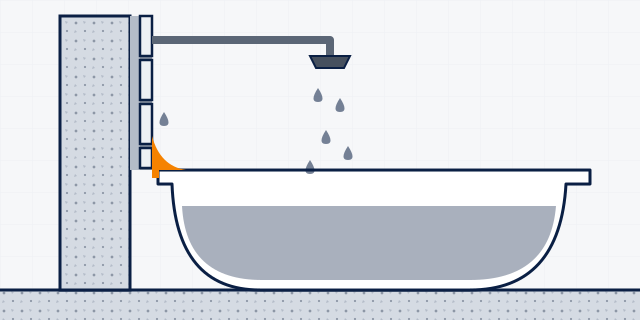 Sanitary sealing (baths, basins, showers and kitchen tops)
Silicone joints where tiles meet baths, shower trays, basins, WCs and kitchen worktops. Choose a mildew-resistant sealant that suits the surface, and reseal before water gets behind the tiles.
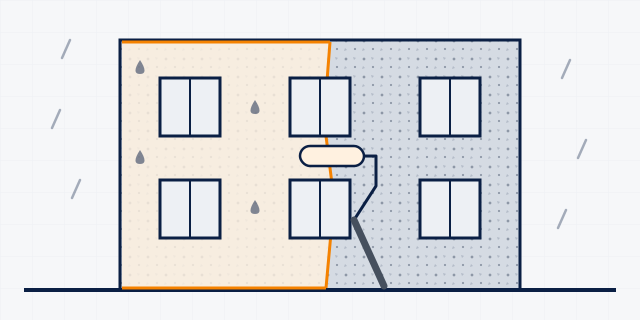 Protective coatings & water repellents for concrete
Coatings and impregnations that keep water, chlorides and carbon dioxide out of concrete facades, bridges, car parks and repaired structures. Choose a clear impregnation, an anti-carbonation coating or a crack-bridging coating to suit the exposure.
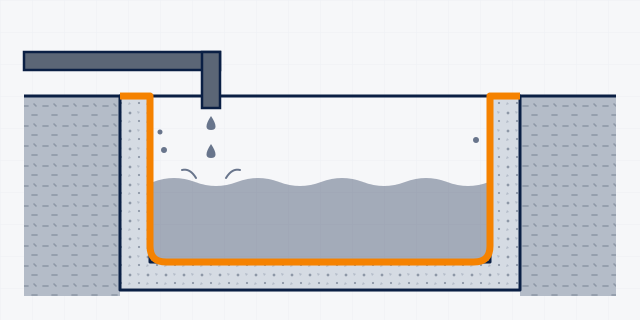 Chemical-resistant protection (tanks, bunds, sewage)
Linings and coatings that protect concrete and steel from acids, sewage gases, fuels and industrial chemicals in treatment plants, chemical tanks, bunds and manholes. The coating is chosen for the actual chemicals, concentrations and temperatures, on a strong, prepared substrate.
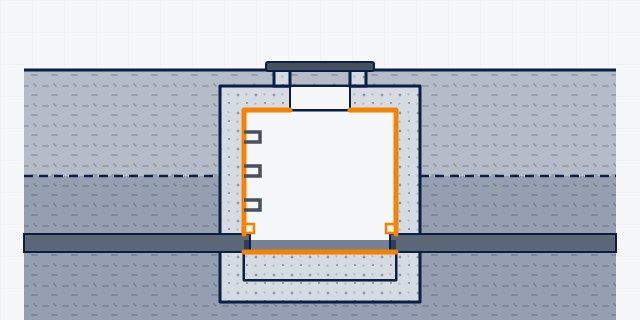 Sewage tanks, manholes & septic tanks
Sewage and wastewater structures leak out, let groundwater in and are eaten away by aggressive effluent. Plug and rebuild the concrete, waterproof it, and add a chemical-resistant lining where the effluent is aggressive.
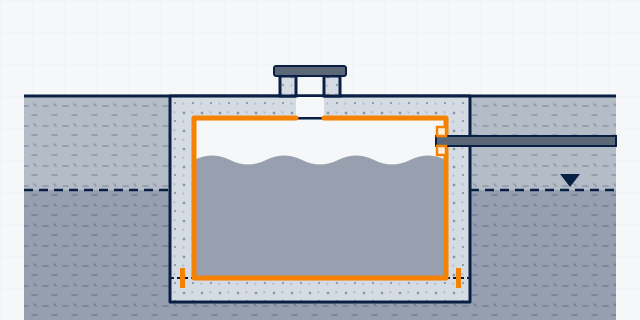 Underground water tank
Below-ground tanks leak out when full and let groundwater or dirty water seep in when empty. Plug and repair, then line the inside with a drinking-water coating; on new tanks, build watertight concrete and joints first.