

Project solutions
High-rise tower
Towers need concrete that can be pumped high in summer heat, deep basements below the water table, and a facade that seals against wind-driven rain. Fire-rated joints and penetrations matter in every shaft and floor.

Solutions in build order
What this project needs, step by step
 High-performance ready-mix concrete
Ready-mix plants supplying high-strength, pumped or long-haul concrete need a superplasticiser that holds slump, cuts water and works with GGBS, fly ash or microsilica. Durability admixtures cover corrosion and air entrainment where the specification asks for them.
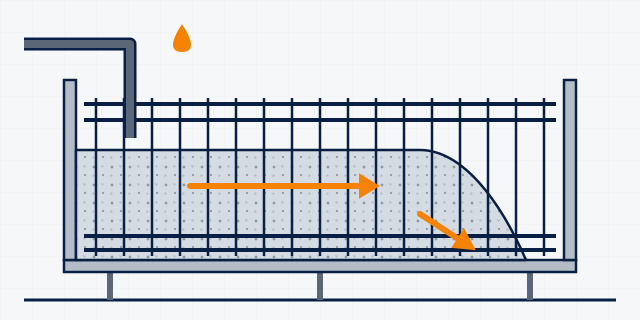 Self-compacting concrete (SCC)
Self-compacting concrete flows into congested reinforcement and fills forms without vibration. It needs a high-range polycarboxylate superplasticiser, an SCC mix design and strong, well-sealed formwork.
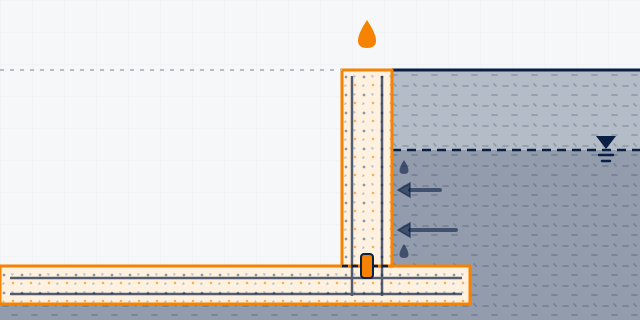 Waterproof (watertight) concrete
For basements, water tanks, pools and sewage works, make the concrete itself resist water with a low water–cement ratio, an integral waterproofing admixture and sealed construction joints. This is for new pours; it cannot fix a structure that already leaks.
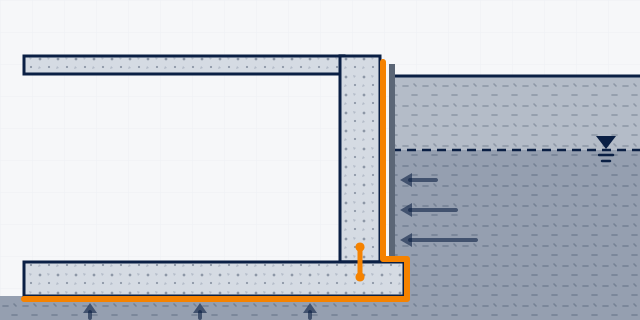 Basement waterproofing from outside (positive side)
For new basements, or where the soil can be dug away, stop water on the face that the soil and groundwater press against. Build watertight concrete, seal every joint, coat or sheet the outside face, then backfill carefully.
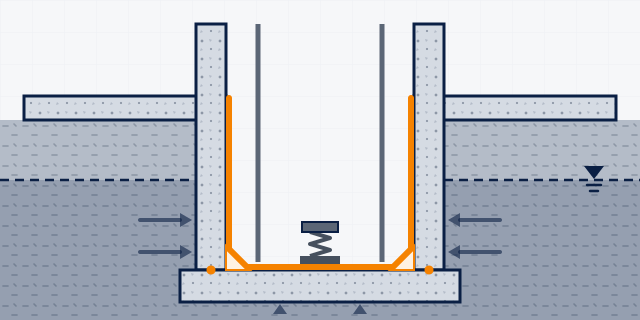 Lift pits and drainage sumps
Lift pits and drainage or sewage sumps are the lowest points in a building, so groundwater collects there. Build them watertight, seal the kicker joint, and line them with a slurry rated for water pressure.
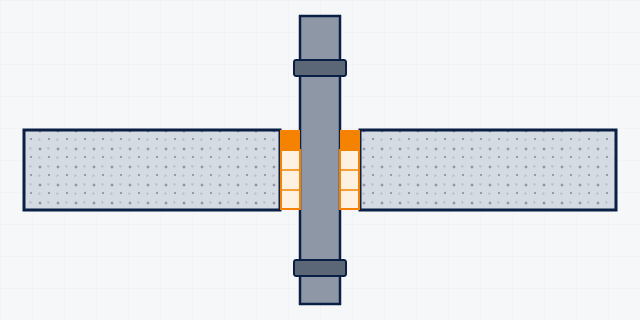 Pipe and service penetrations
Pipes, ducts and cables passing through basement walls, tank walls, roofs and fire-rated floors are weak points for water and fire. Seal each one for its job: watertight, weathertight, fire-rated, or a simple interior gap.
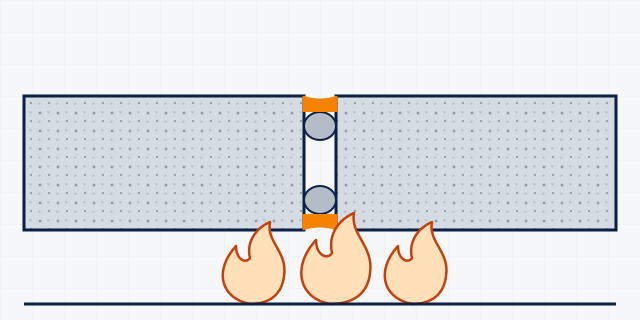 Fire-rated joints
Joints in fire-rated walls and floors, such as stair and lift shafts, compartment walls and plant rooms, must hold back fire and smoke for the rated time. The rating comes from a tested configuration, not from the sealant alone.
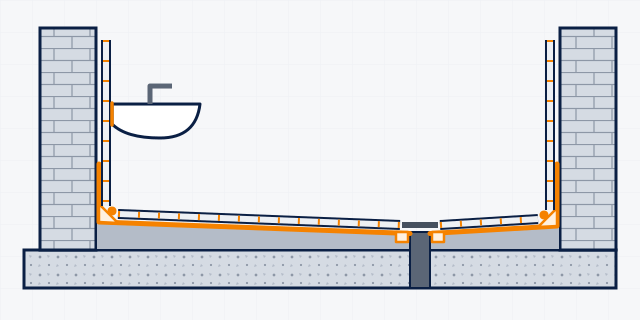 Bathroom waterproofing (under tiles)
Most home leaks start in bathrooms: water gets through grout and cracks, runs along the slab and shows as seelan on the ceiling below or the wall next door. Strip, seal cracks, waterproof the floor and lower walls, then tile, grout and seal the fittings.
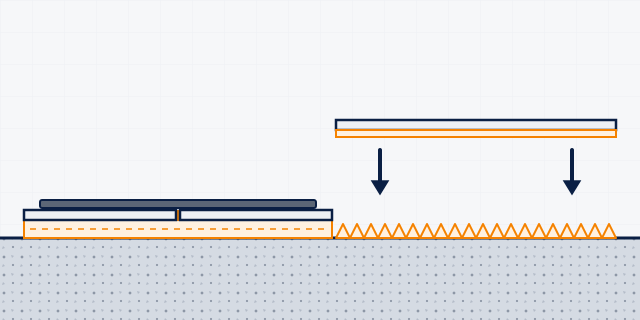 Large-format porcelain tiles and slabs
Porcelain tiles of 60 × 60 cm and larger, on floors and walls. They need a flat base, a C2TE flexible adhesive and full bedding by back-buttering, or they ring hollow and crack.
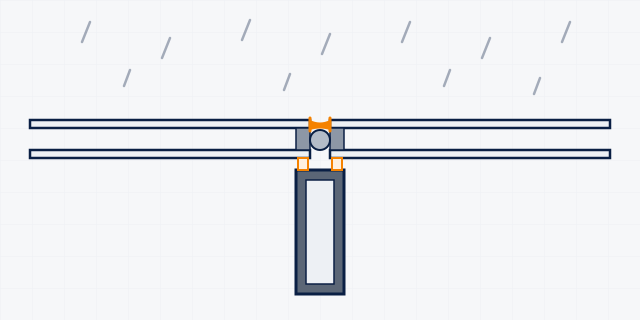 Glazing, curtain walls and shopfronts
Weather-sealing joints in glass curtain walls, windows, shopfronts and metal cladding, and the specialist silicones used in structural glazing and insulating glass. This is professional facade work and needs project-specific adhesion tests.
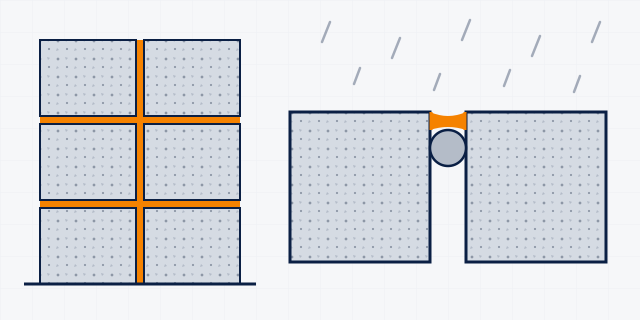 Facade joints (concrete, block, precast and cladding)
Movement and connection joints on outside walls: between precast panels, at floor slabs, around infill panels and in metal or stone cladding. A sound joint keeps monsoon rain out and lets the facade move.
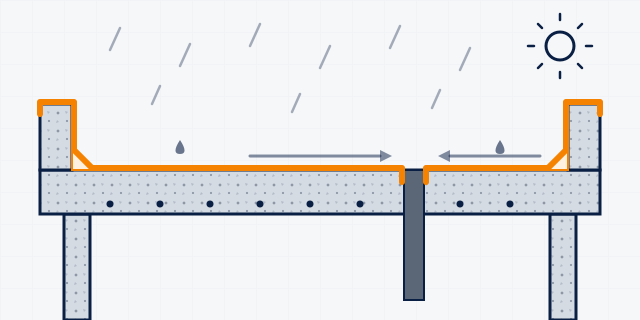 Exposed roof waterproofing
A liquid-applied membrane that stays open to sun and rain on a flat or sloped concrete roof (chhat). Use it on a new roof once the slab is 28 days old, or to refurbish a leaking roof before the monsoon.
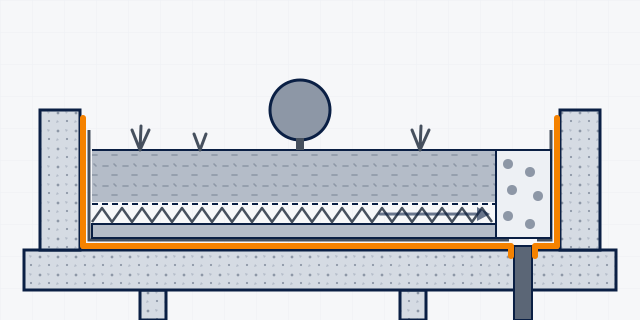 Green roofs, roof gardens and planters
Roof gardens, landscaped decks and built-in concrete planters stay wet under soil for years, so the waterproofing must be done before any soil goes in. The data sheets we hold cover bitumen and cement-based layers; ask us about root barriers and dedicated green-roof systems.
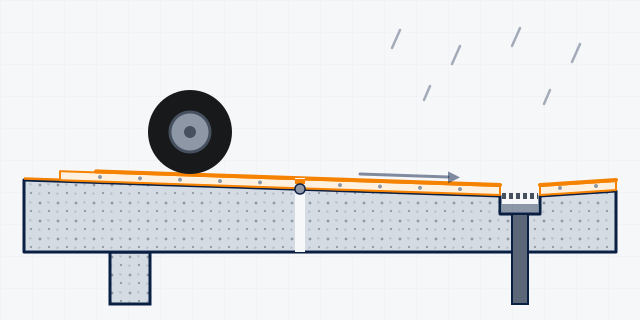 Car-park decks & ramps
Car-park decks face tyre wear, oil, water and, on the open top deck, sun and monsoon rain. A crack-bridging resin system with a UV-resistant seal coat and sealed joints protects the slab and the floors below.