

Project solutions
Hospital / clinic
Hospitals need hygienic, easy-to-clean wet areas, floors and walls, and joints that do not hold dirt. Water tanks, fire-rated penetrations and a dry roof keep the building in service.

Solutions in build order
What this project needs, step by step
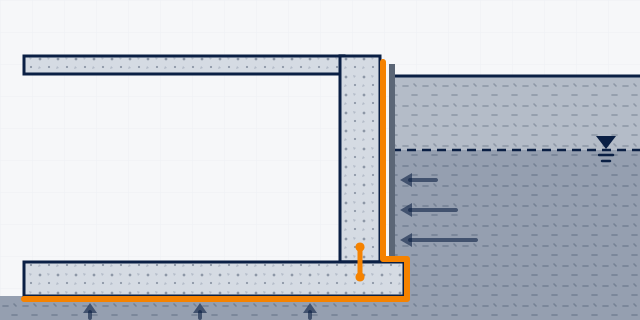 Basement waterproofing from outside (positive side)
For new basements, or where the soil can be dug away, stop water on the face that the soil and groundwater press against. Build watertight concrete, seal every joint, coat or sheet the outside face, then backfill carefully.
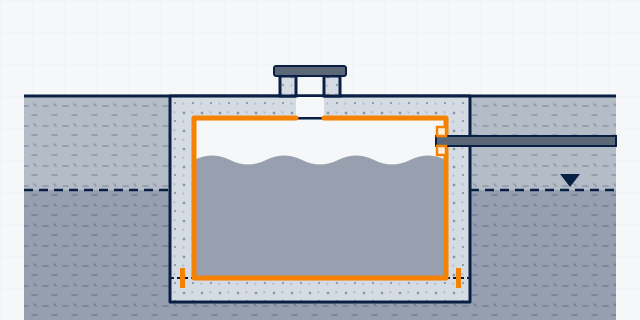 Underground water tank
Below-ground tanks leak out when full and let groundwater or dirty water seep in when empty. Plug and repair, then line the inside with a drinking-water coating; on new tanks, build watertight concrete and joints first.
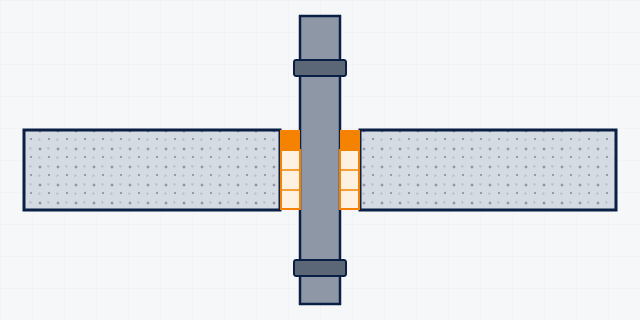 Pipe and service penetrations
Pipes, ducts and cables passing through basement walls, tank walls, roofs and fire-rated floors are weak points for water and fire. Seal each one for its job: watertight, weathertight, fire-rated, or a simple interior gap.
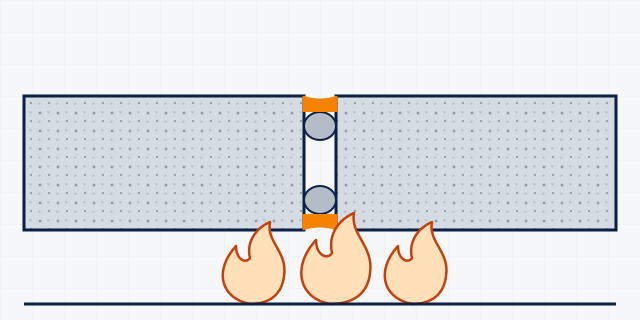 Fire-rated joints
Joints in fire-rated walls and floors, such as stair and lift shafts, compartment walls and plant rooms, must hold back fire and smoke for the rated time. The rating comes from a tested configuration, not from the sealant alone.
 Bathroom waterproofing (under tiles)
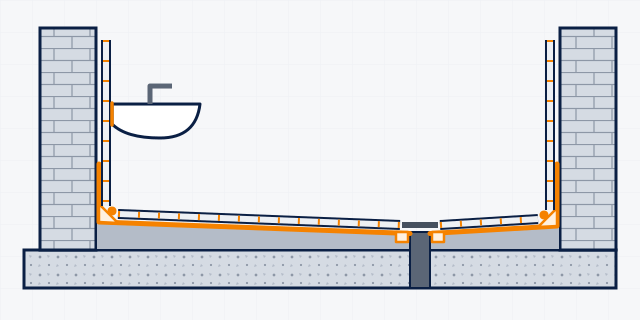
Most home leaks start in bathrooms: water gets through grout and cracks, runs along the slab and shows as seelan on the ceiling below or the wall next door. Strip, seal cracks, waterproof the floor and lower walls, then tile, grout and seal the fittings.
 Shower area & walk-in shower
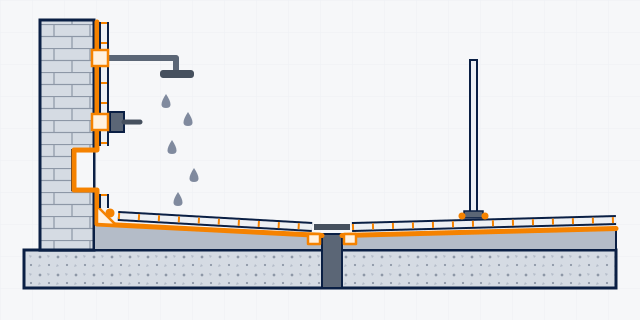
The shower is the wettest spot in the house: floor, walls, niche and drain are soaked every day. It needs a continuous waterproof layer from floor to wall, epoxy grout and a mildew-resistant sealant at every corner.
 Epoxy tile grout (showers, kitchens, hospitals)
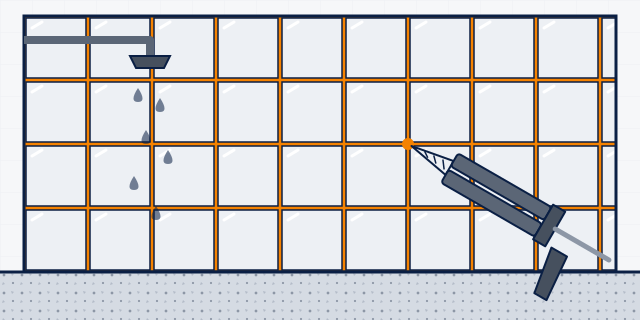
Two-part epoxy grout from a cartridge gun gives stain-resistant, easy-clean joints in wet rooms, kitchens, malls, hospitals and indoor pools. It is for interior use, and the tile face needs protecting during grouting.
 Sanitary sealing (baths, basins, showers and kitchen tops)
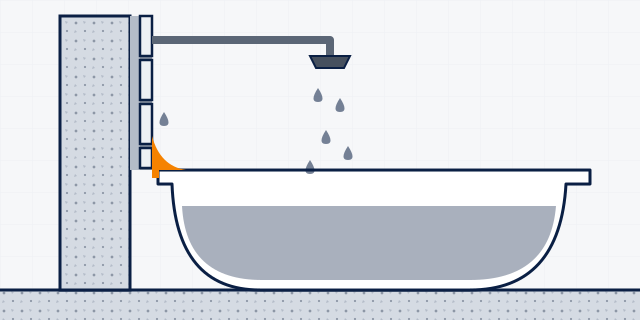
Silicone joints where tiles meet baths, shower trays, basins, WCs and kitchen worktops. Choose a mildew-resistant sealant that suits the surface, and reseal before water gets behind the tiles.
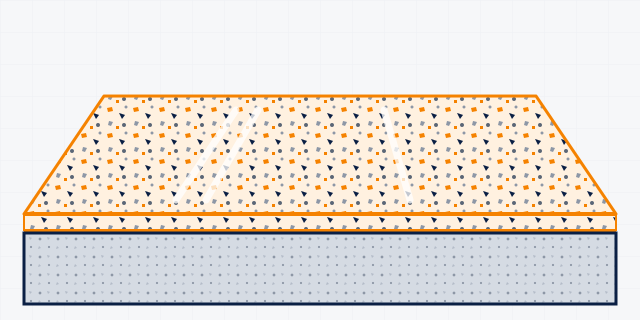 Decorative floors
Showrooms, offices, malls, lobbies and homes want floors that look good and still wear well. Options range from coloured epoxy with décor granules and soft polyurethane to terrazzo-look PU, coloured dry-shake and polished concrete.
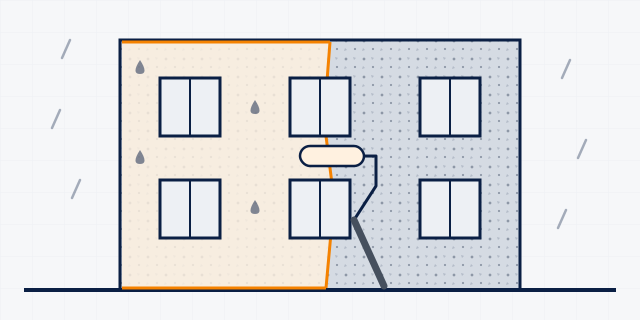 Protective coatings & water repellents for concrete
Coatings and impregnations that keep water, chlorides and carbon dioxide out of concrete facades, bridges, car parks and repaired structures. Choose a clear impregnation, an anti-carbonation coating or a crack-bridging coating to suit the exposure.
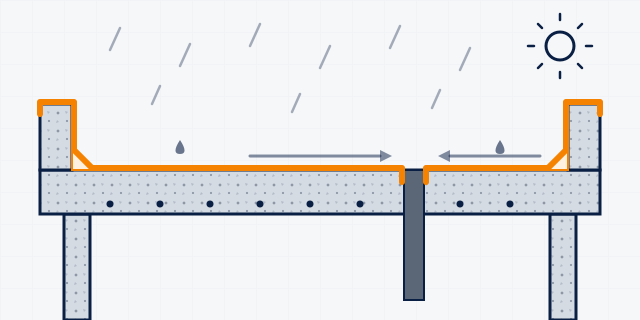 Exposed roof waterproofing
A liquid-applied membrane that stays open to sun and rain on a flat or sloped concrete roof (chhat). Use it on a new roof once the slab is 28 days old, or to refurbish a leaking roof before the monsoon.
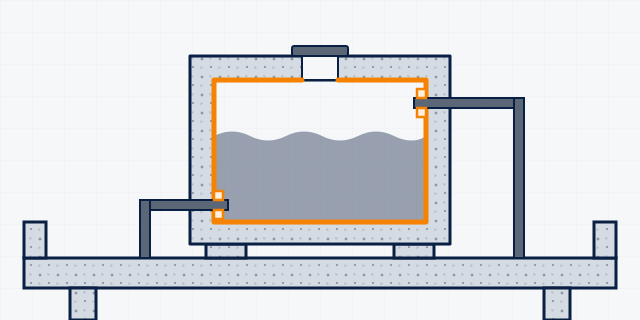 Overhead water tank (drinking water)
Rooftop RCC tanks that leak, wet the ceiling below or show rust stains. Repair the concrete first, then line the inside only with products whose data sheet allows drinking-water contact.