

Project solutions
Hotel / restaurant
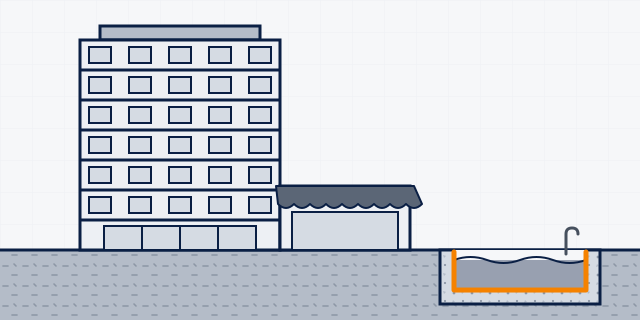
Hotels and restaurants combine guest bathrooms, commercial kitchens, pools and stone finishes in one building. Water must stay where it belongs, and finishes must still look good after daily cleaning.
Solutions in build order
What this project needs, step by step
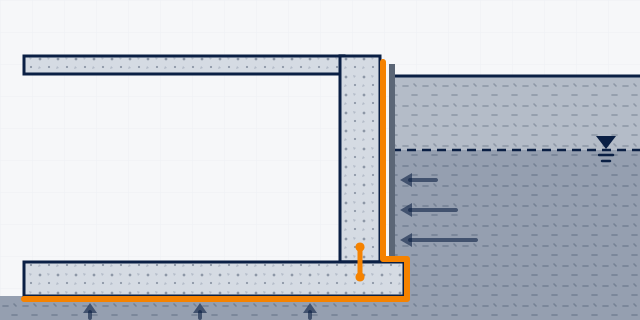 Basement waterproofing from outside (positive side)
For new basements, or where the soil can be dug away, stop water on the face that the soil and groundwater press against. Build watertight concrete, seal every joint, coat or sheet the outside face, then backfill carefully.
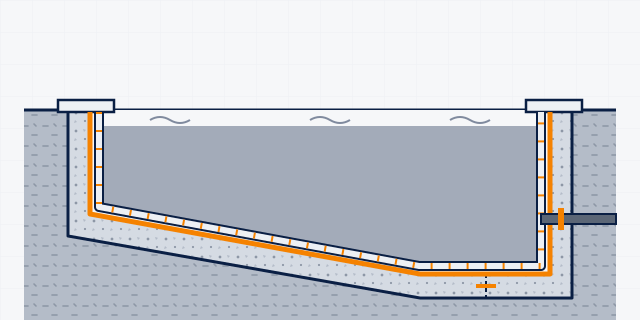 New swimming pool (concrete shell)
Build the pool shell watertight from day one: waterproof concrete, sealed joints and pipe entries, a cementitious waterproof coating, then pool-rated tile adhesive and grout. A structural engineer designs the shell itself.
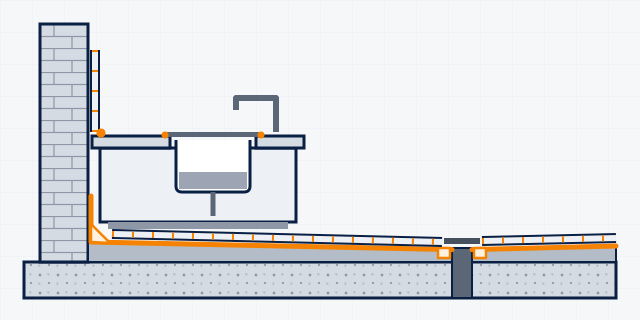 Kitchen floors, sinks & wash areas
Kitchens get water, grease, food acids and cleaning chemicals at the sink, dishwash and cooking line. Home kitchens need sound tiling and mildew-resistant sealing; commercial kitchens also need waterproofing under the tiles and chemical-resistant epoxy grout.
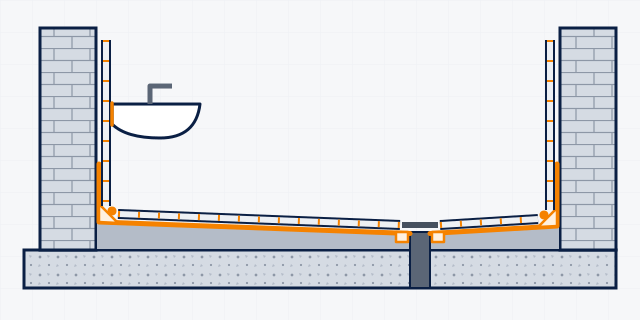 Bathroom waterproofing (under tiles)
Most home leaks start in bathrooms: water gets through grout and cracks, runs along the slab and shows as seelan on the ceiling below or the wall next door. Strip, seal cracks, waterproof the floor and lower walls, then tile, grout and seal the fittings.
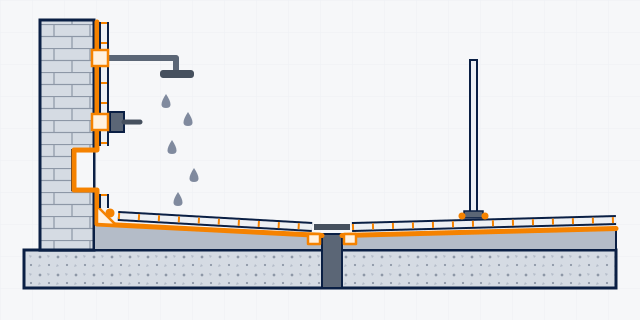 Shower area & walk-in shower
The shower is the wettest spot in the house: floor, walls, niche and drain are soaked every day. It needs a continuous waterproof layer from floor to wall, epoxy grout and a mildew-resistant sealant at every corner.
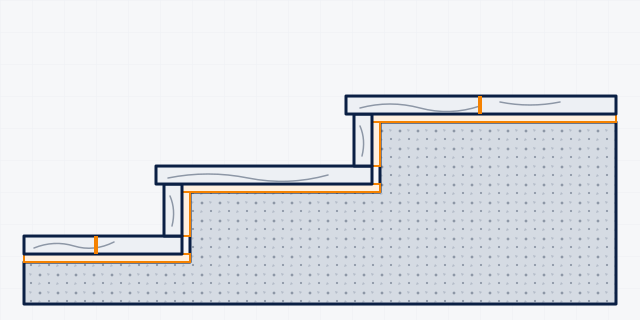 Marble, granite and natural stone
Fixing, grouting, sealing and cleaning marble, granite and other natural stone on floors, stairs and walls. Stone can be sensitive to water, acids and staining, so test first and choose each product with that in mind.
 Large-format porcelain tiles and slabs
Porcelain tiles of 60 × 60 cm and larger, on floors and walls. They need a flat base, a C2TE flexible adhesive and full bedding by back-buttering, or they ring hollow and crack.
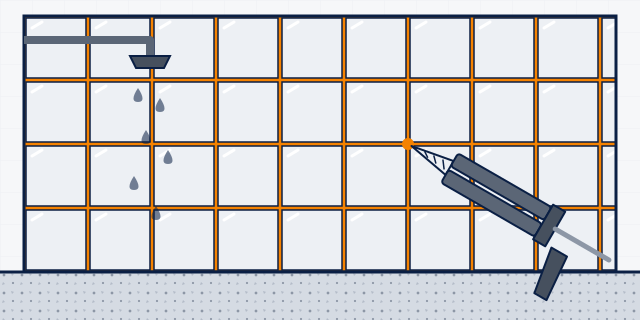 Epoxy tile grout (showers, kitchens, hospitals)
Two-part epoxy grout from a cartridge gun gives stain-resistant, easy-clean joints in wet rooms, kitchens, malls, hospitals and indoor pools. It is for interior use, and the tile face needs protecting during grouting.
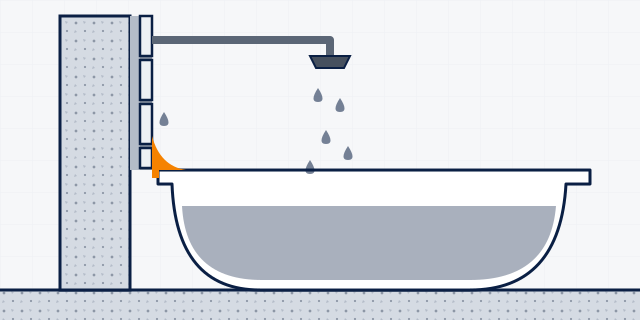 Sanitary sealing (baths, basins, showers and kitchen tops)
Silicone joints where tiles meet baths, shower trays, basins, WCs and kitchen worktops. Choose a mildew-resistant sealant that suits the surface, and reseal before water gets behind the tiles.
 Exposed roof waterproofing
A liquid-applied membrane that stays open to sun and rain on a flat or sloped concrete roof (chhat). Use it on a new roof once the slab is 28 days old, or to refurbish a leaking roof before the monsoon.
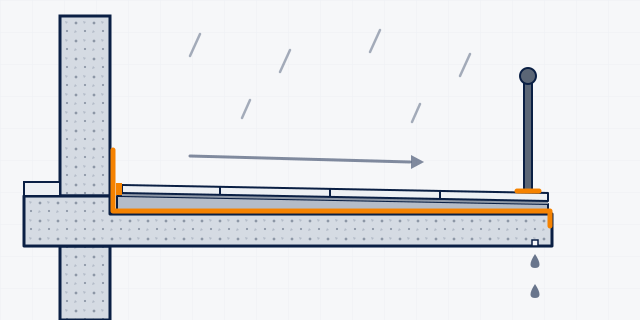 Terrace and balcony waterproofing
Balconies, terraces and open verandas that people walk on, usually finished with tiles. The waterproofing goes under the tile bed and turns up at walls, door thresholds and drains.
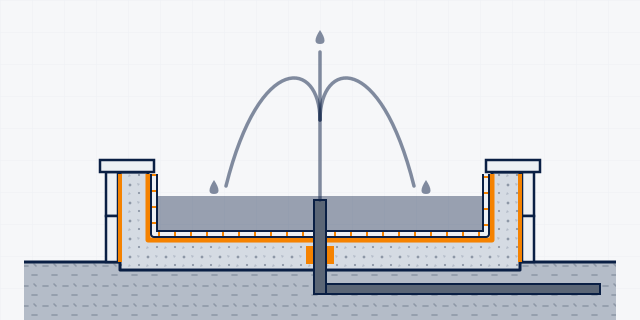 Fountains, water features & ornamental ponds
Decorative fountains, water walls and ornamental ponds lose water through cracks, joints and pipe entries, and stone cladding stains. Seal the basin with a cementitious waterproof coating, then fix tiles or stone with water-resistant products.
 Glazing, curtain walls and shopfronts
Weather-sealing joints in glass curtain walls, windows, shopfronts and metal cladding, and the specialist silicones used in structural glazing and insulating glass. This is professional facade work and needs project-specific adhesion tests.