

Project solutions
Mosque / community hall
Mosques and community halls have wide roofs, domes and large ablution (wuzu) areas that are wet all day. Marble floors and walls need the right adhesive and grout to stay fixed.

Solutions in build order
What this project needs, step by step
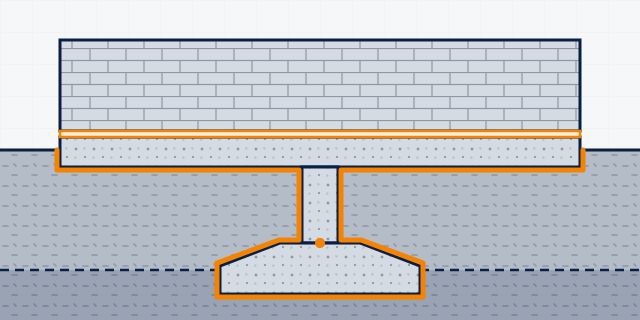 Foundations, footings and plinth
Protect footings, column stubs and plinth beams against groundwater and aggressive soil, and stop damp rising into the walls above. This is done during construction, before backfilling.
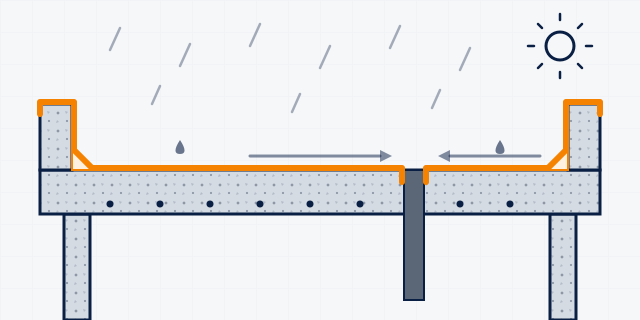 Exposed roof waterproofing
A liquid-applied membrane that stays open to sun and rain on a flat or sloped concrete roof (chhat). Use it on a new roof once the slab is 28 days old, or to refurbish a leaking roof before the monsoon.
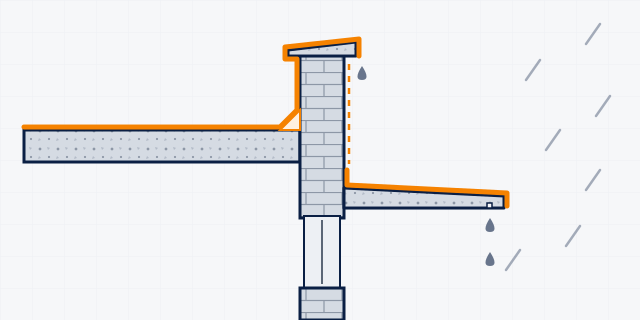 Parapets, copings and chajjas
Parapet walls, copings and chajjas (concrete sunshades and projections) take rain on three sides. Leaks here show up as damp on the walls below, broken edges and rust stains.
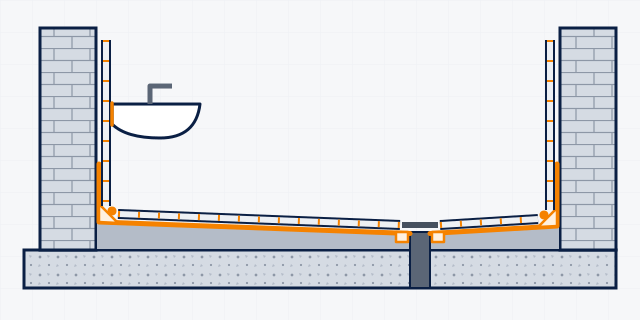 Bathroom waterproofing (under tiles)
Most home leaks start in bathrooms: water gets through grout and cracks, runs along the slab and shows as seelan on the ceiling below or the wall next door. Strip, seal cracks, waterproof the floor and lower walls, then tile, grout and seal the fittings.
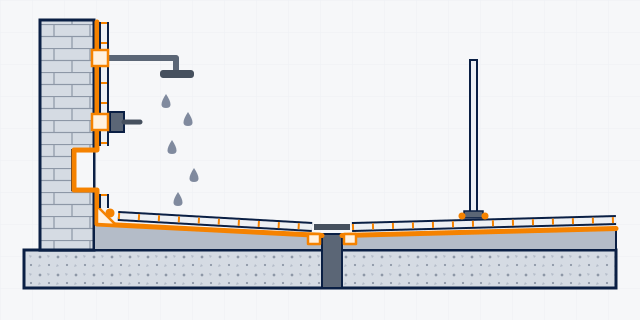 Shower area & walk-in shower
The shower is the wettest spot in the house: floor, walls, niche and drain are soaked every day. It needs a continuous waterproof layer from floor to wall, epoxy grout and a mildew-resistant sealant at every corner.
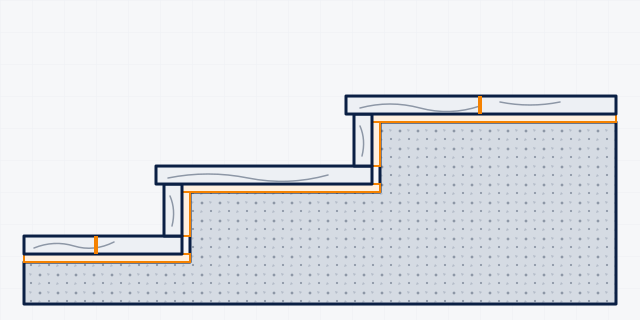 Marble, granite and natural stone
Fixing, grouting, sealing and cleaning marble, granite and other natural stone on floors, stairs and walls. Stone can be sensitive to water, acids and staining, so test first and choose each product with that in mind.
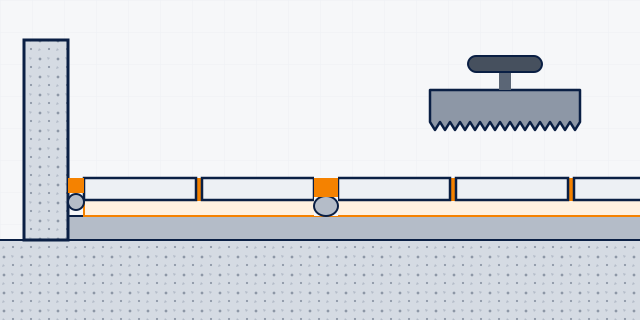 Floor tiling (homes, shops and outdoor floors)
Fixing ceramic, porcelain and stone floor tiles indoors, on courtyards and terraces, on heated floors and in shops with heavy foot traffic. A flat, mature base and the right adhesive stop hollow, cracking and lifting tiles.
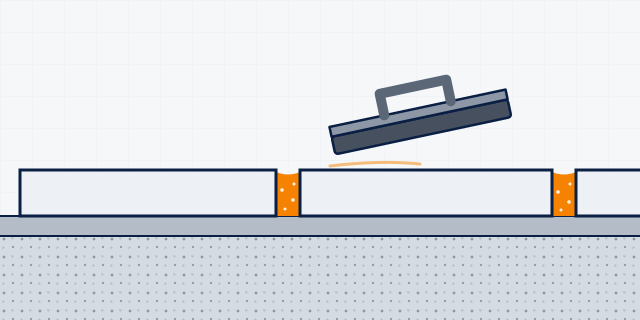 Cement tile grout (everyday floors and walls)
Coloured cement grout for ceramic, porcelain, marble, granite and mosaic joints, on floors and walls, inside and outside. In wet areas it is mixed with a latex instead of water.
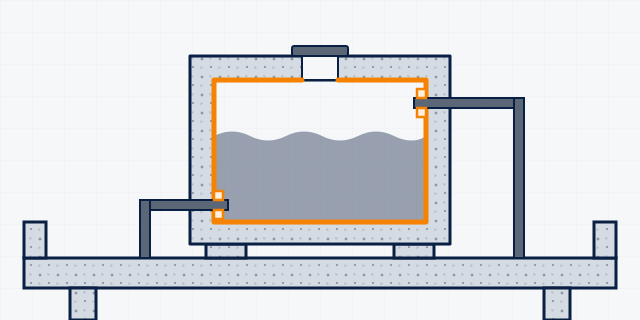 Overhead water tank (drinking water)
Rooftop RCC tanks that leak, wet the ceiling below or show rust stains. Repair the concrete first, then line the inside only with products whose data sheet allows drinking-water contact.
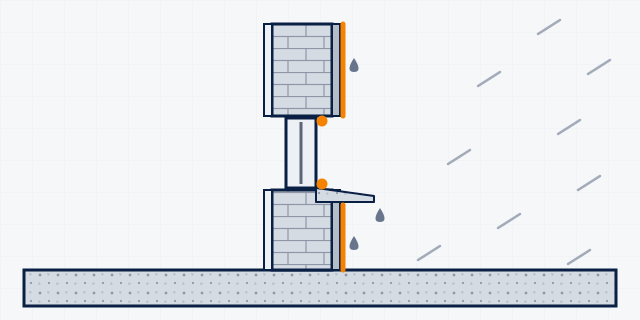 Damp external walls (rain penetration)
Rain soaking through brick walls, cracked plaster or open joints around windows causes seelan and peeling paint inside. This guide covers walls above ground. For damp rising from the floor, see the rising-damp guide.
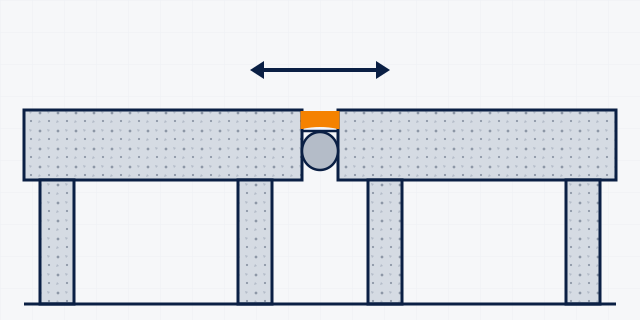 Building expansion and movement joints
The gaps between building blocks, slabs, walls and roofs that let the structure expand, shrink and settle. They need a sealant or tape matched to the movement, a correctly sized joint and a backer rod, or water gets in and edges break.