

Project solutions
Power plant / grid substation
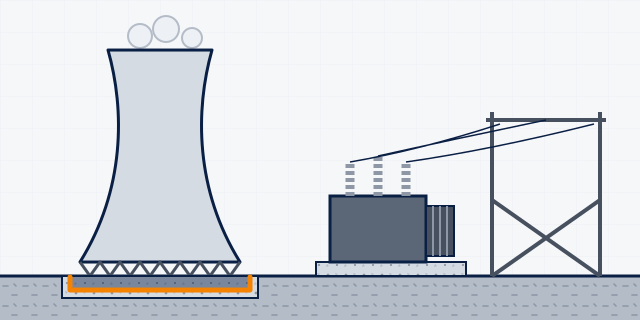
Power plants and substations rest on heavy foundations, with turbines, transformers and switchgear that must sit exactly on their bases. Cable trenches, oil bunds and fire separation need sealing.
Solutions in build order
What this project needs, step by step
 Mass concrete & set retarding
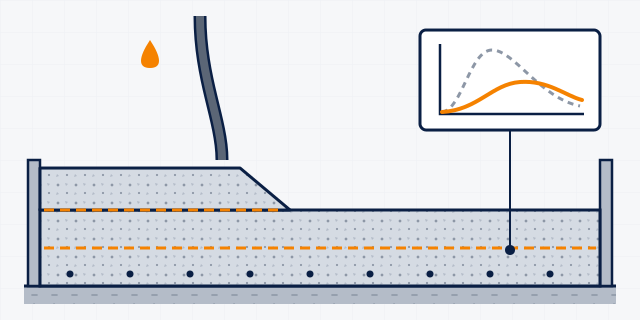
Thick rafts, dams, bridge piers and large foundations heat up as the cement hydrates and can crack, and big pours risk cold joints. A retarding superplasticiser or set retarder spreads the heat release and keeps each layer workable until the next one arrives.
 Foundations, footings and plinth
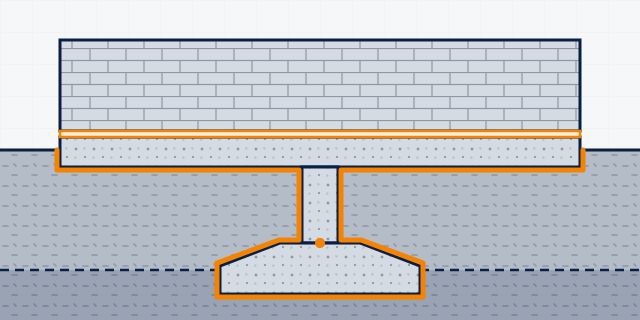
Protect footings, column stubs and plinth beams against groundwater and aggressive soil, and stop damp rising into the walls above. This is done during construction, before backfilling.
 Machine foundations & equipment bedding
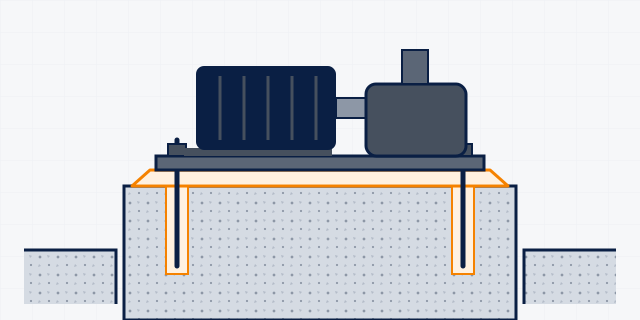
Generators, compressors, presses, pumps and turbines need a foundation that carries vibration and impact without loosening. The usual build-up is engineered concrete, anchored or grouted holding-down bolts, and a high-strength non-shrink bedding grout.
 Base plate & bearing grouting
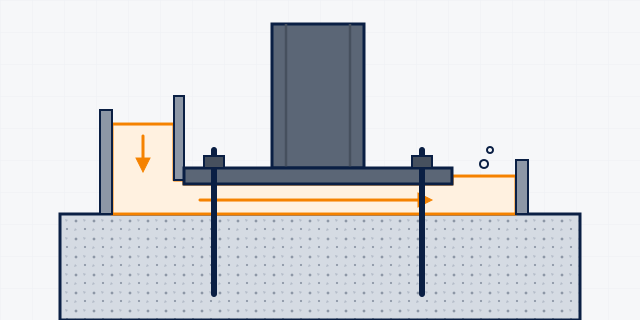
Steel columns, bridge bearings and equipment sit on a layer of non-shrink grout that carries the load into the foundation. Choose the grout by gap depth, mix it with only the specified water, and pour it continuously from one side.
 Chemical anchors, rebar & dowels
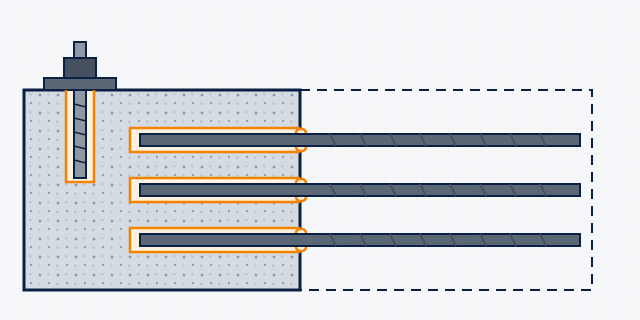
Chemical anchors fix bolts, threaded rods and new reinforcement bars into existing concrete or masonry for extensions, railings, machines and services. Load capacity depends on the design, hole cleaning and base material, so safety-critical work needs an engineer.
 Lift pits and drainage sumps
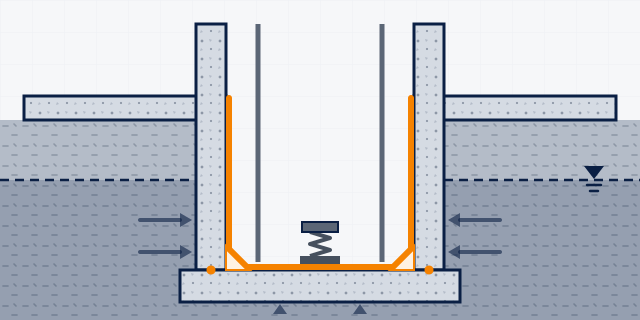
Lift pits and drainage or sewage sumps are the lowest points in a building, so groundwater collects there. Build them watertight, seal the kicker joint, and line them with a slurry rated for water pressure.
 Pipe and service penetrations
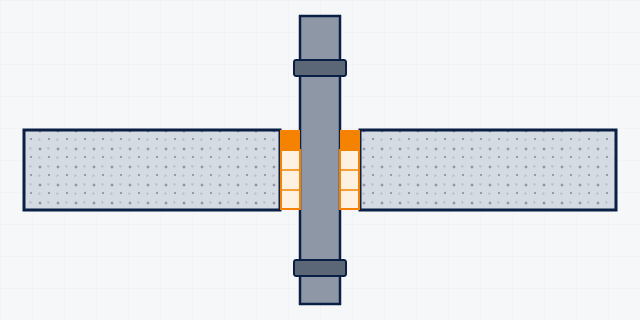
Pipes, ducts and cables passing through basement walls, tank walls, roofs and fire-rated floors are weak points for water and fire. Seal each one for its job: watertight, weathertight, fire-rated, or a simple interior gap.
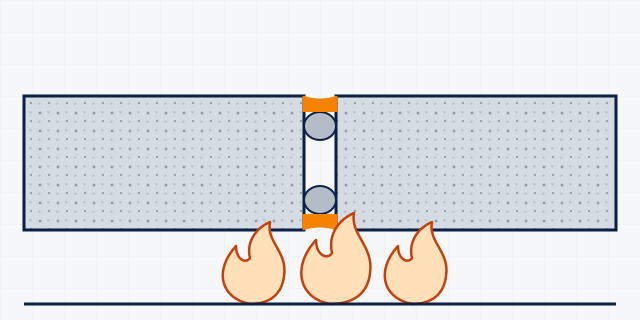 Fire-rated joints
Joints in fire-rated walls and floors, such as stair and lift shafts, compartment walls and plant rooms, must hold back fire and smoke for the rated time. The rating comes from a tested configuration, not from the sealant alone.
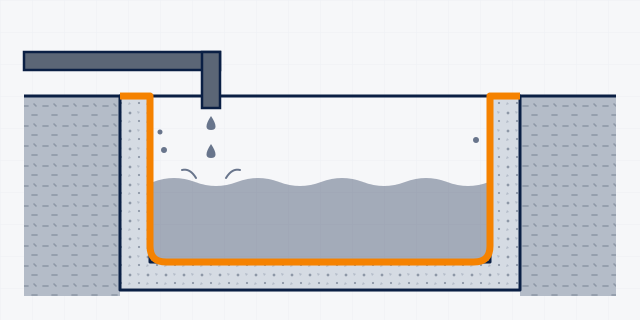 Chemical-resistant protection (tanks, bunds, sewage)
Linings and coatings that protect concrete and steel from acids, sewage gases, fuels and industrial chemicals in treatment plants, chemical tanks, bunds and manholes. The coating is chosen for the actual chemicals, concentrations and temperatures, on a strong, prepared substrate.
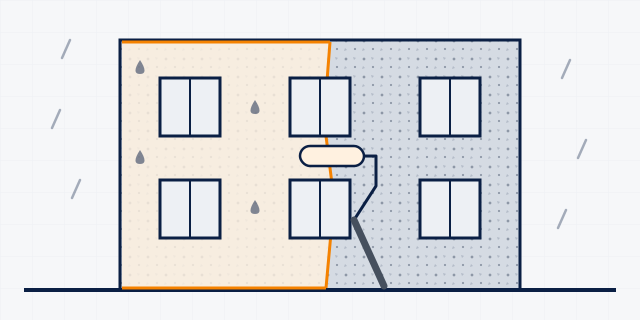 Protective coatings & water repellents for concrete
Coatings and impregnations that keep water, chlorides and carbon dioxide out of concrete facades, bridges, car parks and repaired structures. Choose a clear impregnation, an anti-carbonation coating or a crack-bridging coating to suit the exposure.
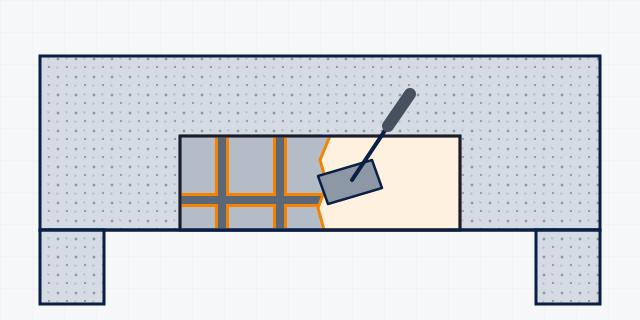 Spalling concrete (chhajja, balcony, beam, column)
Concrete that cracks, bulges and falls away, usually with rusty steel behind it, on chhajjas, balcony slabs, beams, columns and tank slabs. This guide follows the EN 1504 sequence: remove, protect the steel, rebuild, seal and protect.