

Project solutions
School / university
Schools and campuses have large flat roofs, busy washrooms and long corridors that see heavy use. Roof leaks and cracked plaster before the monsoon are the most common repair calls.

Solutions in build order
What this project needs, step by step
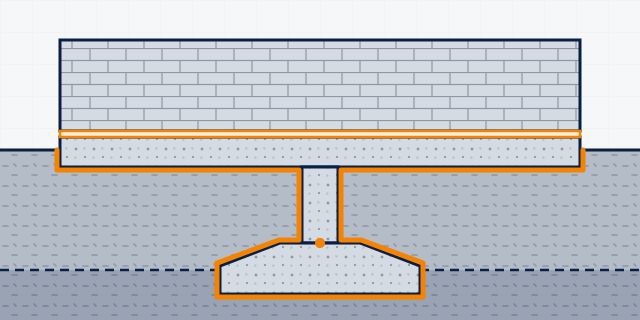 Foundations, footings and plinth
Protect footings, column stubs and plinth beams against groundwater and aggressive soil, and stop damp rising into the walls above. This is done during construction, before backfilling.
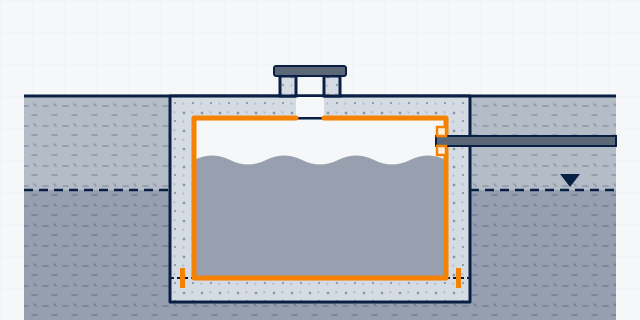 Underground water tank
Below-ground tanks leak out when full and let groundwater or dirty water seep in when empty. Plug and repair, then line the inside with a drinking-water coating; on new tanks, build watertight concrete and joints first.
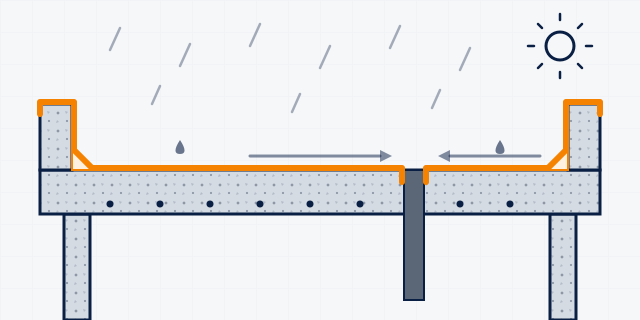 Exposed roof waterproofing
A liquid-applied membrane that stays open to sun and rain on a flat or sloped concrete roof (chhat). Use it on a new roof once the slab is 28 days old, or to refurbish a leaking roof before the monsoon.
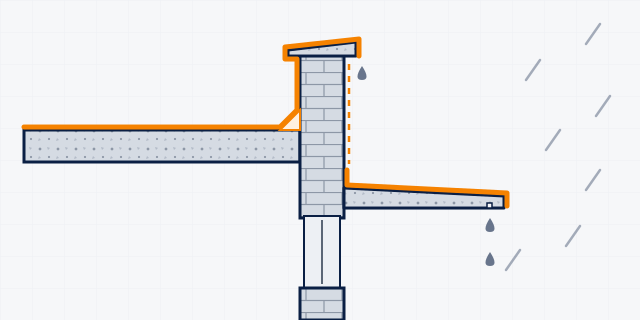 Parapets, copings and chajjas
Parapet walls, copings and chajjas (concrete sunshades and projections) take rain on three sides. Leaks here show up as damp on the walls below, broken edges and rust stains.
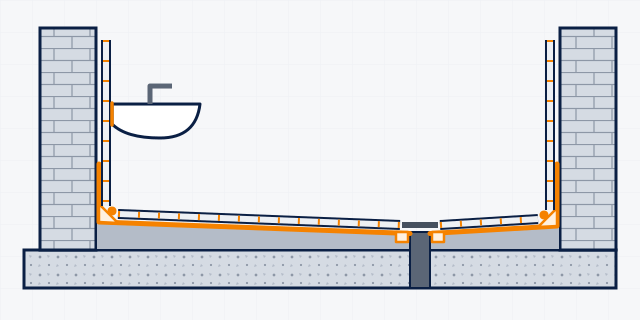 Bathroom waterproofing (under tiles)
Most home leaks start in bathrooms: water gets through grout and cracks, runs along the slab and shows as seelan on the ceiling below or the wall next door. Strip, seal cracks, waterproof the floor and lower walls, then tile, grout and seal the fittings.
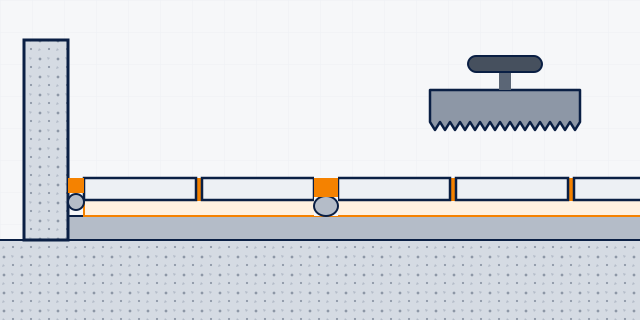 Floor tiling (homes, shops and outdoor floors)
Fixing ceramic, porcelain and stone floor tiles indoors, on courtyards and terraces, on heated floors and in shops with heavy foot traffic. A flat, mature base and the right adhesive stop hollow, cracking and lifting tiles.
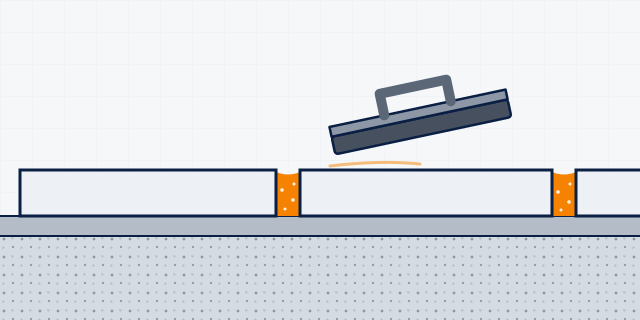 Cement tile grout (everyday floors and walls)
Coloured cement grout for ceramic, porcelain, marble, granite and mosaic joints, on floors and walls, inside and outside. In wet areas it is mixed with a latex instead of water.
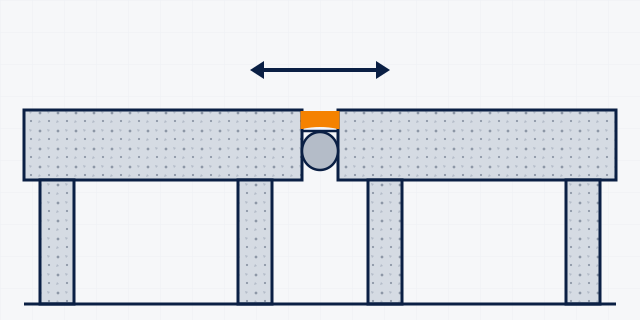 Building expansion and movement joints
The gaps between building blocks, slabs, walls and roofs that let the structure expand, shrink and settle. They need a sealant or tape matched to the movement, a correctly sized joint and a backer rod, or water gets in and edges break.
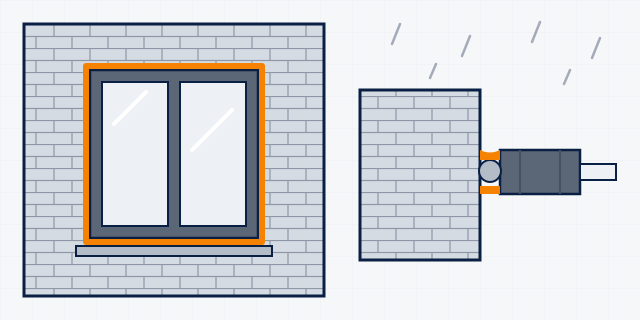 Window and door frame sealing
Sealing the gap between aluminium, uPVC, steel or timber frames and the wall, plus glass-to-frame and interior finishing joints. This is a common place for monsoon rain to get into a home.
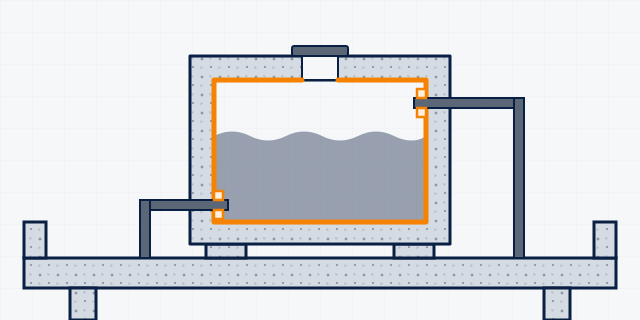 Overhead water tank (drinking water)
Rooftop RCC tanks that leak, wet the ceiling below or show rust stains. Repair the concrete first, then line the inside only with products whose data sheet allows drinking-water contact.
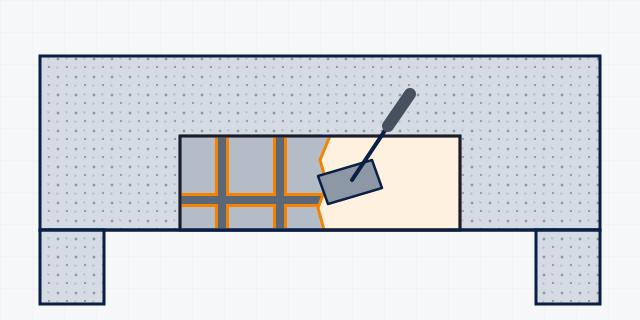 Spalling concrete (chhajja, balcony, beam, column)
Concrete that cracks, bulges and falls away, usually with rusty steel behind it, on chhajjas, balcony slabs, beams, columns and tank slabs. This guide follows the EN 1504 sequence: remove, protect the steel, rebuild, seal and protect.
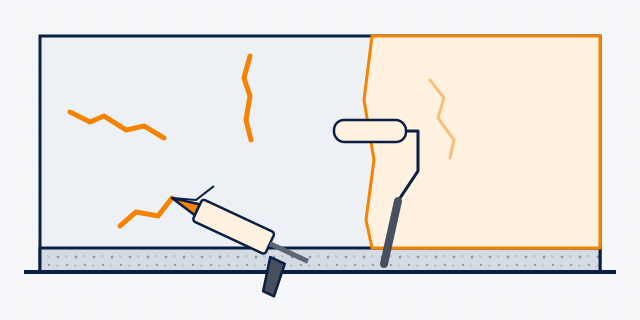 Surface & plaster cracks (non-structural)
Hairline and map cracks in plaster, renders and concrete surfaces, mostly from shrinkage and heat, which let rain in and spoil paint. This guide covers telling them apart from structural cracks, filling them with the right sealant, and preventing them in new plaster.