

Project solutions
Warehouse / logistics
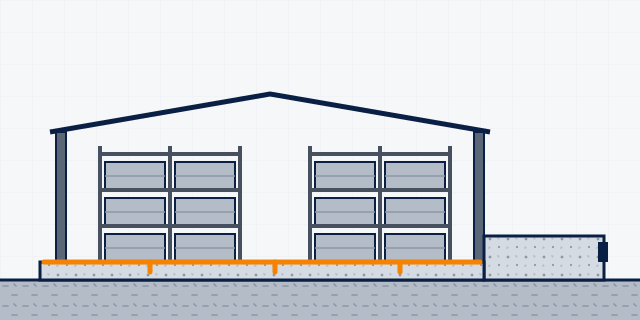
Warehouses live or die by their floor slab: dusting, worn joints and broken edges slow every forklift. Racking anchors, crane rails and a dry roof complete the job.
Solutions in build order
What this project needs, step by step
 Concrete curing
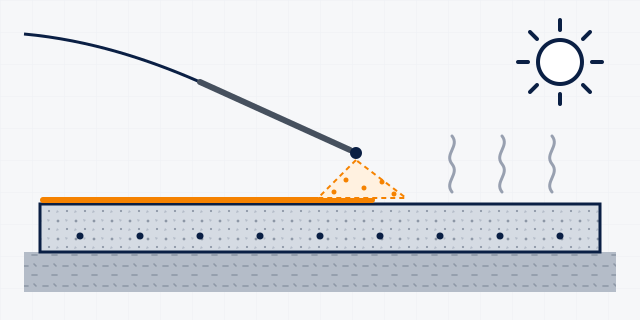
Curing keeps water in young concrete so it gains strength and does not crack or dust. In Pakistan's heat and dry wind it must start within minutes of finishing, by wet curing or a sprayed curing compound.
 Warehouse floor hardeners (dry-shake)
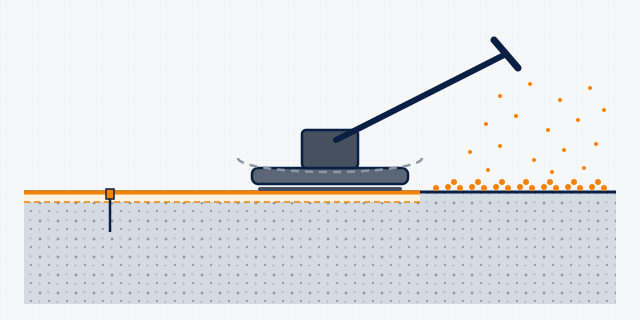
New warehouse and factory slabs get a hard, dust-free wearing surface when a dry-shake hardener is trowelled into the fresh concrete and cured straight away. Existing dusty slabs can be densified with a liquid hardener.
 Epoxy industrial floors
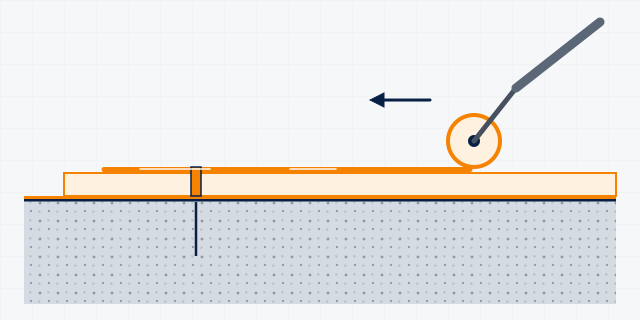
Epoxy floors give factories, warehouses, workshops and labs a seamless, dust-free and easy-to-clean surface. Success depends on a strong, dry slab, mechanical preparation and a trained applicator.
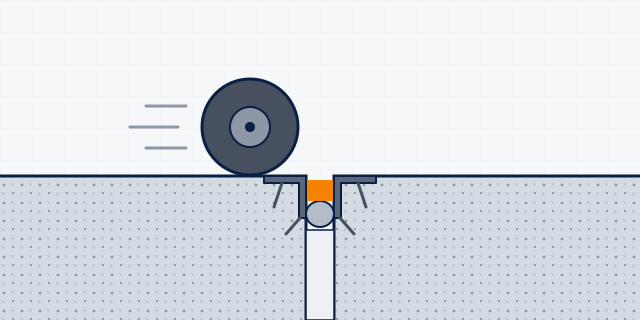 Floor joints in car parks, warehouses and roads
Saw-cut, expansion and connection joints in floors that carry people, cars, forklifts or trucks. The sealant must take both traffic and movement, and the joint must be sized for it.
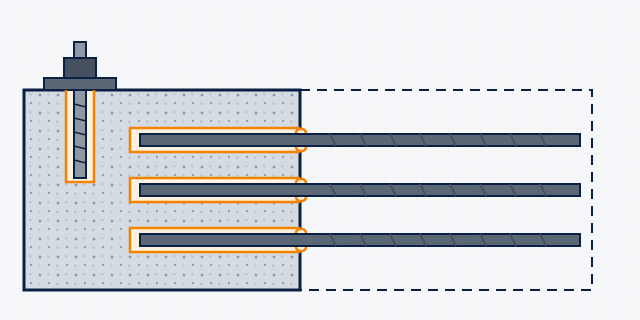 Chemical anchors, rebar & dowels
Chemical anchors fix bolts, threaded rods and new reinforcement bars into existing concrete or masonry for extensions, railings, machines and services. Load capacity depends on the design, hole cleaning and base material, so safety-critical work needs an engineer.
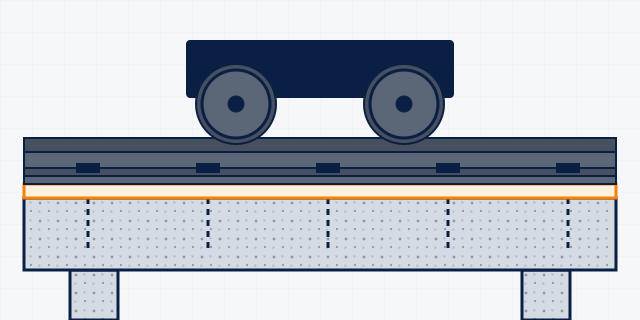 Crane rail & runway grouting
Overhead and gantry crane rails in workshops, steel mills and ports sit on grouted sole plates fixed with holding-down bolts. A high-strength, non-shrink grout with good fatigue and impact resistance keeps the rail level under repeated wheel loads.
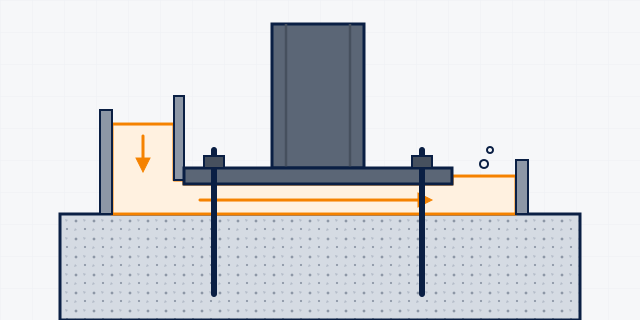 Base plate & bearing grouting
Steel columns, bridge bearings and equipment sit on a layer of non-shrink grout that carries the load into the foundation. Choose the grout by gap depth, mix it with only the specified water, and pour it continuously from one side.
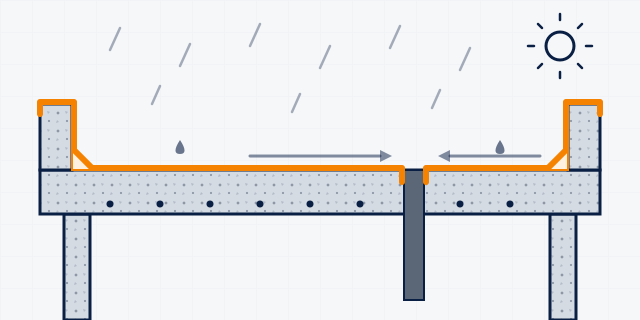 Exposed roof waterproofing
A liquid-applied membrane that stays open to sun and rain on a flat or sloped concrete roof (chhat). Use it on a new roof once the slab is 28 days old, or to refurbish a leaking roof before the monsoon.
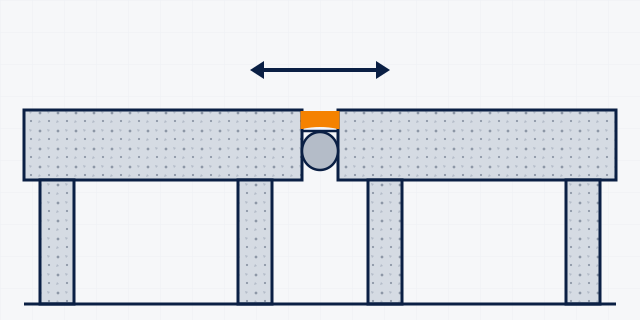 Building expansion and movement joints
The gaps between building blocks, slabs, walls and roofs that let the structure expand, shrink and settle. They need a sealant or tape matched to the movement, a correctly sized joint and a backer rod, or water gets in and edges break.