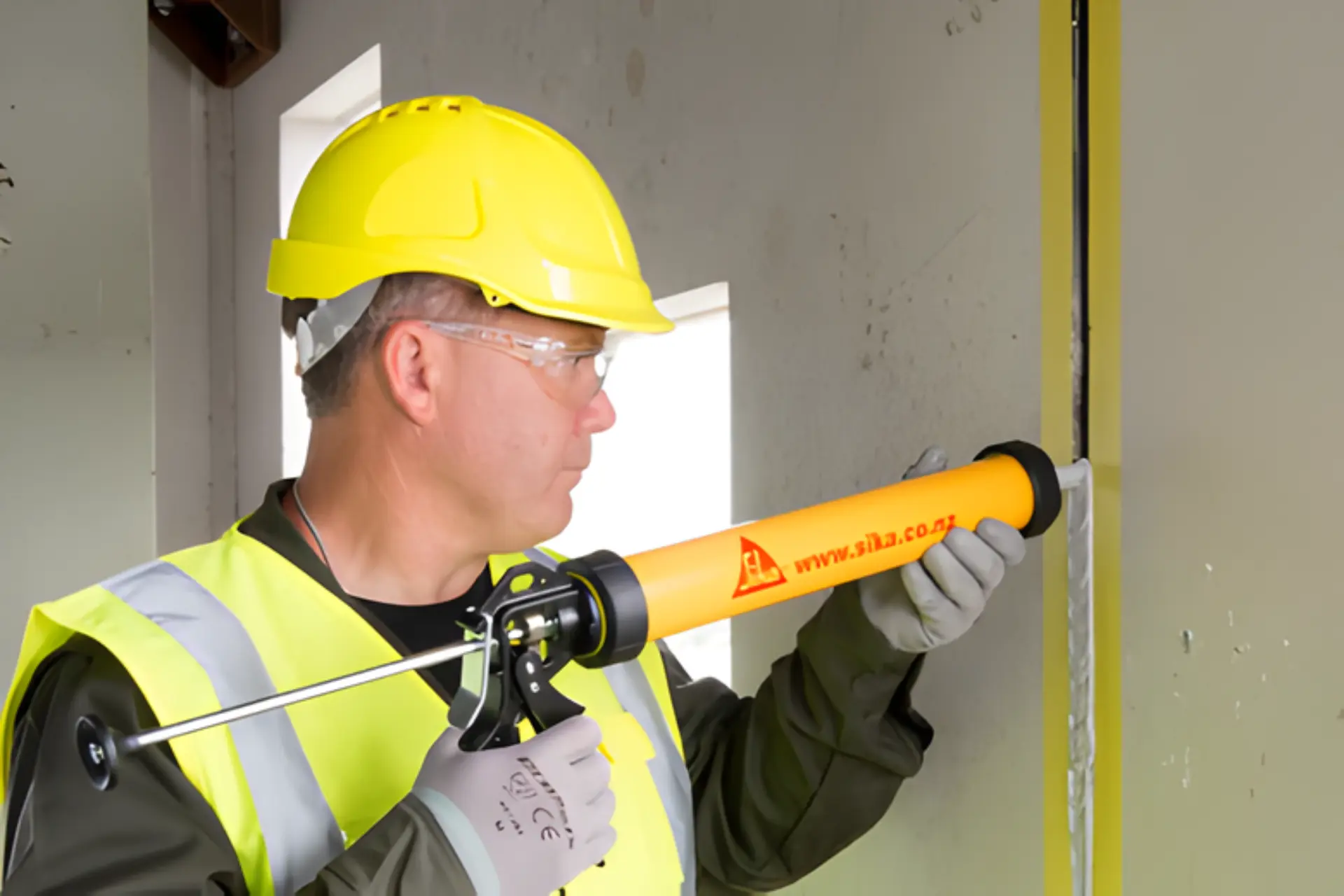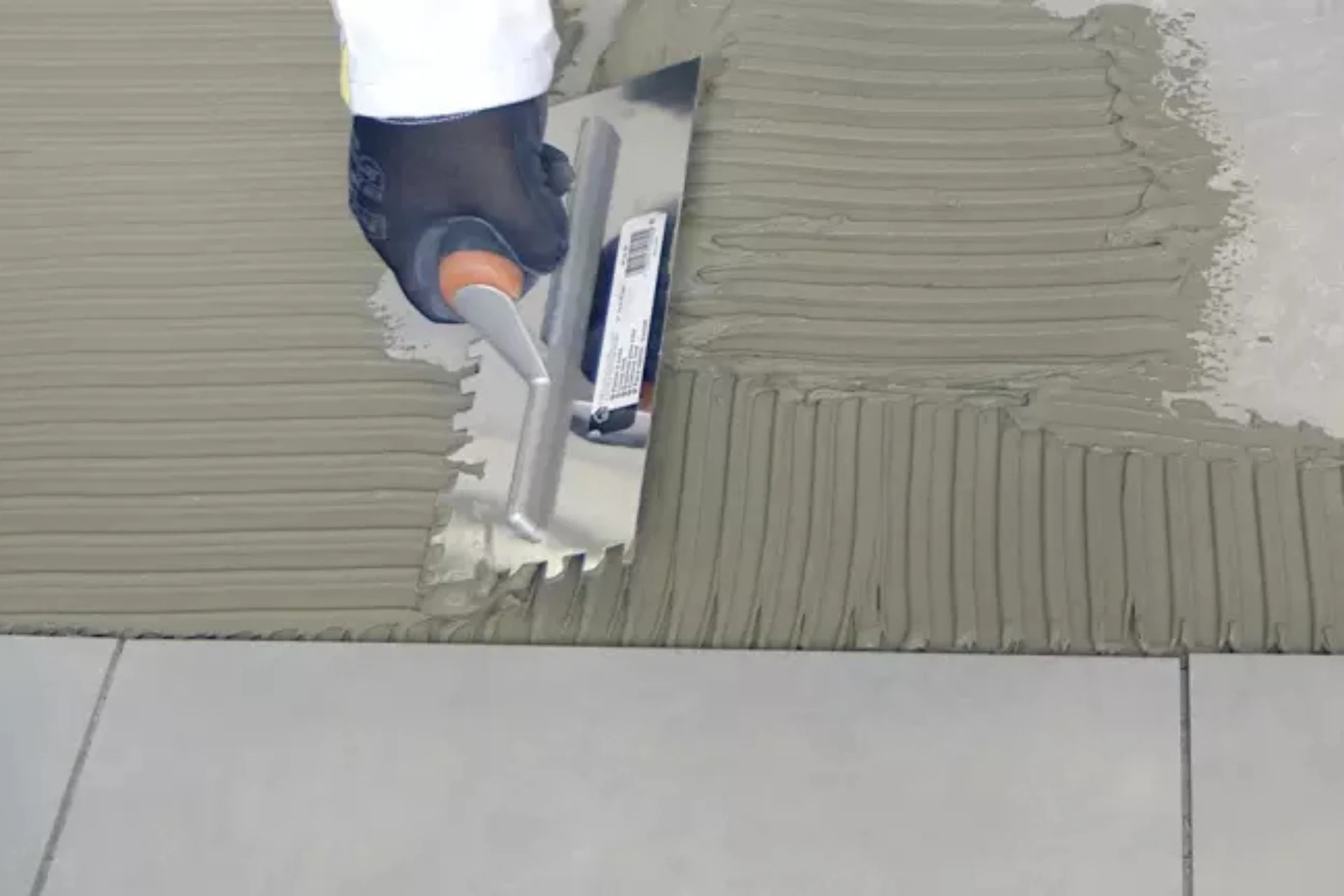

Grouting and anchoring chemicals help fill gaps, fix bolts, support machines, and improve stability in construction work. These products are important when a structure needs strong bonding, proper load transfer, and long-term support.
In many projects, ordinary cement mortar is not enough. Some areas need high strength, low shrinkage, better flow, or stronger bonding. For this reason, contractors use grouts and anchoring chemicals in buildings, bridges, factories, machinery foundations, steel structures, and repair works.
What Are Grouting & Anchoring Chemicals?
Grouting chemicals are materials used to fill empty spaces, gaps, joints, cracks, and spaces under base plates or machines. They help transfer loads properly and create a strong connection between surfaces.
Anchoring chemicals are used to fix bolts, rods, rebars, and anchors into concrete or masonry. They help hold the anchor firmly in place and provide strong bonding.
These products help improve:
- Load transfer
- Bond strength
- Structural stability
- Gap filling
- Machine support
- Anchor fixing
- Concrete repair
- Long-term durability
In simple words, grouting and anchoring chemicals help make connections stronger and more reliable.
Why Are Grouting & Anchoring Chemicals Used?
Construction work often needs accurate support and strong fixing. Machines, steel columns, bolts, base plates, and repair areas must stay stable under load.
For example, when workers install heavy machinery, they need grout under the base plate to remove empty spaces and support the load evenly. Similarly, when workers fix anchor bolts into concrete, they need anchoring chemicals to create a strong bond inside the hole.
Without the right grout or anchoring system, the structure may face weak bonding, movement, vibration, cracks, or load transfer problems.
Main Types of Grouting & Anchoring Chemicals
1. Cementitious Non-Shrink Grout
Cementitious non-shrink grout is one of the most common grouting materials. It fills gaps without shrinking after placement.
Contractors commonly use it for:
- Machine foundations
- Base plates
- Precast concrete joints
- Column bases
- Structural repairs
This type of grout provides strength, stability, and proper support under load.
2. Epoxy Grout
Epoxy grout provides high strength, chemical resistance, and excellent bonding. It is commonly used where heavy loads, vibration, or chemical exposure are expected.
People often use epoxy grout in:
- Industrial floors
- Heavy machinery bases
- Chemical plants
- Factories
- High-load areas
Epoxy grout performs better than ordinary cement-based grout in demanding site conditions.
3. Injection Grout
Injection grout is used to fill cracks, voids, and hidden gaps inside concrete or masonry. Workers inject the grout into the affected area to improve strength and reduce leakage or weakness.
Common uses include:
- Crack repair
- Void filling
- Leakage control
- Concrete strengthening
- Masonry repair
Injection grouting is useful when the problem is inside the structure and not only on the surface.
4. Tile Grout
Tile grout fills joints between tiles. It improves the finish, protects joints, and helps prevent water and dirt from entering the gaps.
Contractors use tile grout in:
- Bathrooms
- Kitchens
- Floors
- Walls
- Commercial tile work
Good tile grouting improves both appearance and durability.
5. Chemical Anchoring Adhesive
Chemical anchoring adhesive fixes bolts, rods, and rebars into drilled holes in concrete or masonry. It creates a strong bond between the anchor and the base material.
Common applications include:
- Anchor bolt fixing
- Rebar fixing
- Steel structure installation
- Handrails
- Machinery fixing
- Facade support systems
Chemical anchoring is useful where strong and reliable fixing is required.
6. Polyester Anchoring Systems
Polyester anchoring systems are commonly used for medium-duty anchor fixing. They are easy to apply and suitable for many general construction applications.
They work well for:
- Light to medium anchor fixing
- Railing installation
- Brackets
- Masonry anchors
- General fixing work
7. Epoxy Anchoring Systems
Epoxy anchoring systems provide higher strength and better durability than many general anchoring products. They are used when the fixing must handle heavy loads or demanding conditions.
Common uses include:
- Heavy-duty anchors
- Structural rebar connections
- Industrial fixing
- Bridge and infrastructure work
- Critical load applications
Benefits of Grouting & Anchoring Chemicals
Grouting and anchoring chemicals offer several benefits in construction. They help improve strength, bonding, stability, and long-term performance.
Common benefits include:
- Strong anchor fixing
- Better load transfer
- Reduced shrinkage
- Improved structural stability
- High bonding strength
- Better support for machines and base plates
- Improved crack and void filling
- Longer service life
The right product helps reduce movement, vibration, weak bonding, and future repair problems.
Where Are Grouting & Anchoring Chemicals Used?
Grouting and anchoring chemicals are used in many construction and industrial applications, such as:
- Machine foundations
- Base plates
- Steel columns
- Anchor bolts
- Rebar connections
- Precast concrete joints
- Bridges
- Factories
- Industrial plants
- Concrete repair works
- Tile joints
- Structural strengthening
They are especially important where strength, bonding, and accurate load transfer matter.
How to Choose the Right Grout or Anchoring Chemical
Choosing the right product depends on the site condition and the type of work.
Before selecting a grout or anchoring chemical, ask:
- Is the work structural or non-structural?
- Does the area carry heavy load?
- Is vibration expected?
- Is chemical resistance required?
- Is the gap small or large?
- Is the anchor light-duty or heavy-duty?
- Is the surface concrete, masonry, or stone?
- Is fast strength required?
The wrong product can lead to weak fixing, shrinkage, cracking, poor bonding, or anchor failure. Therefore, proper product selection and correct application are important.
Common Mistakes to Avoid
Grouting and anchoring chemicals work well only when workers apply them correctly. Some common mistakes include:
- Using the wrong grout for the load
- Ignoring surface preparation
- Adding too much water to grout
- Not cleaning drilled holes before anchoring
- Using incorrect hole depth or diameter
- Ignoring curing time
- Applying product on weak or dusty surfaces
These mistakes can reduce strength and cause failure later.
Conclusion
Grouting and anchoring chemicals play an important role in construction. They help fill gaps, support machines, fix anchors, strengthen connections, and improve structural stability.
From non-shrink grout and epoxy grout to chemical anchoring and injection grout, each product solves a different site problem. For contractors, builders, and project teams, the goal is not just to fill a gap or fix a bolt. The real goal is to choose the right product for the right site condition.
Need help choosing the right grouting or anchoring chemical for your project? Contact MCT Chemicals for product guidance and project supply support.
Grouting and anchoring products supplied by MCT Chemicals
- Precision grouting systems
- Rebar and anchor installation systems
- SikaGrout®-928 — non-shrink cementitious grout
- Sika AnchorFix®-2 — chemical anchoring adhesive
Request a quotation or technical guidance from MCT Chemicals — Islamabad and Rawalpindi, supplying nationwide.