

Project solutions
Dam / canal / irrigation
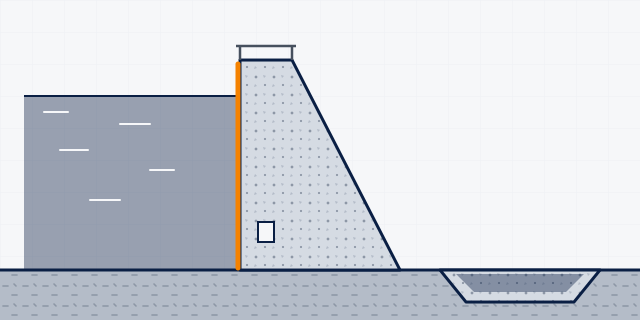
Dams, barrages and canals mean large pours, constant water and wide joints. Watertight concrete, controlled setting and sealed joints come first; repair and protection follow over the years.
Solutions in build order
What this project needs, step by step
 Mass concrete & set retarding
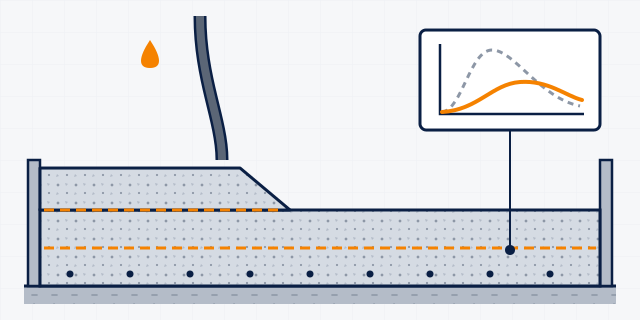
Thick rafts, dams, bridge piers and large foundations heat up as the cement hydrates and can crack, and big pours risk cold joints. A retarding superplasticiser or set retarder spreads the heat release and keeps each layer workable until the next one arrives.
 Waterproof (watertight) concrete
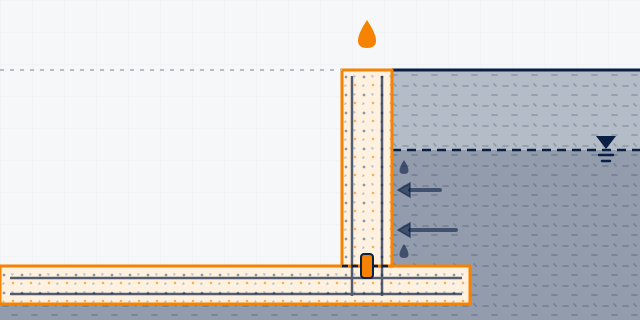
For basements, water tanks, pools and sewage works, make the concrete itself resist water with a low water–cement ratio, an integral waterproofing admixture and sealed construction joints. This is for new pours; it cannot fix a structure that already leaks.
 Concrete curing
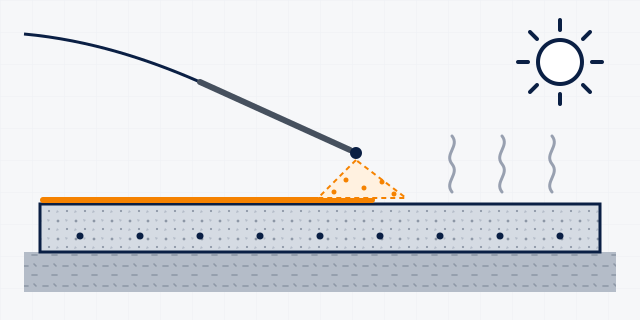
Curing keeps water in young concrete so it gains strength and does not crack or dust. In Pakistan's heat and dry wind it must start within minutes of finishing, by wet curing or a sprayed curing compound.
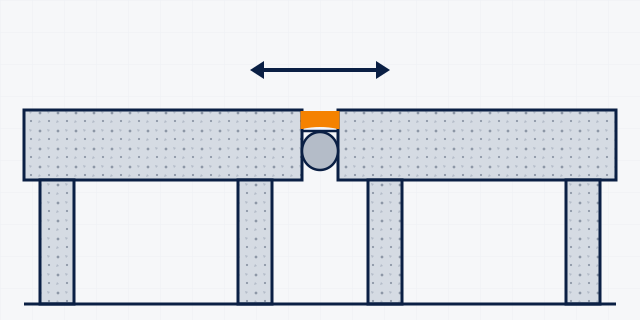 Building expansion and movement joints
The gaps between building blocks, slabs, walls and roofs that let the structure expand, shrink and settle. They need a sealant or tape matched to the movement, a correctly sized joint and a backer rod, or water gets in and edges break.
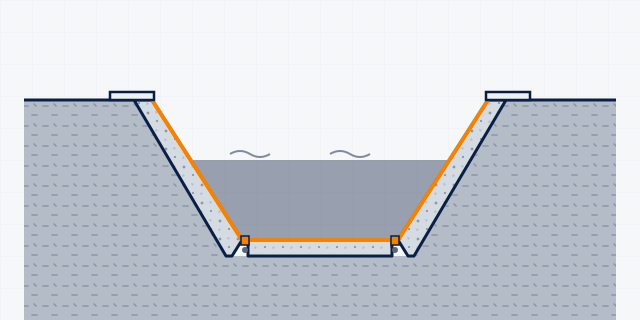 Canals, channels & open drains
Irrigation canals, water channels, nullahs and storm drains lose water through cracked lining, open joints and eroded concrete. Repair the lining, waterproof it, and seal joints with sealants made for submerged use.
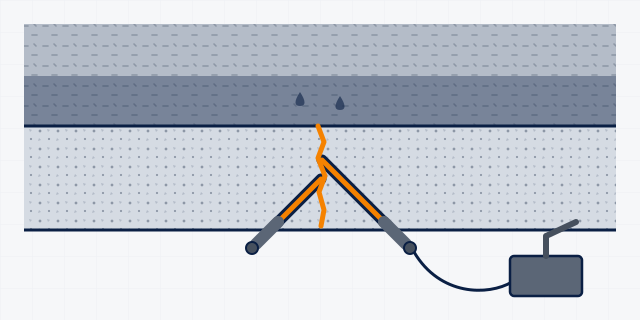 Leaking cracks & active water seepage
Cracks and holes that let water through basement walls, tanks, roof slabs or retaining walls. First stop running water, then seal the crack with elastic injection, then waterproof the surface; rigid epoxy is not used while a crack is wet.
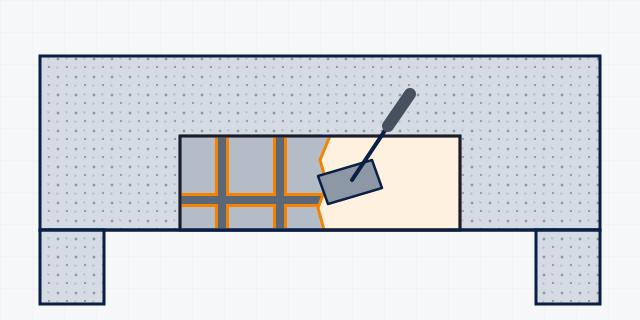 Spalling concrete (chhajja, balcony, beam, column)
Concrete that cracks, bulges and falls away, usually with rusty steel behind it, on chhajjas, balcony slabs, beams, columns and tank slabs. This guide follows the EN 1504 sequence: remove, protect the steel, rebuild, seal and protect.
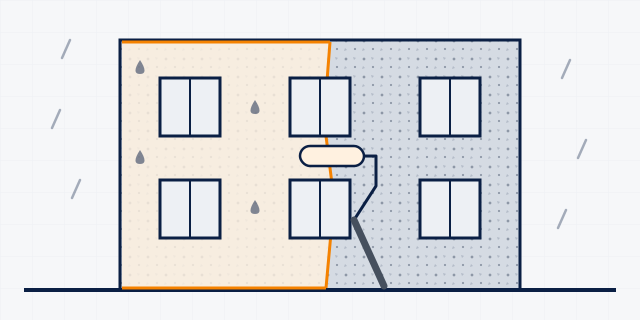 Protective coatings & water repellents for concrete
Coatings and impregnations that keep water, chlorides and carbon dioxide out of concrete facades, bridges, car parks and repaired structures. Choose a clear impregnation, an anti-carbonation coating or a crack-bridging coating to suit the exposure.
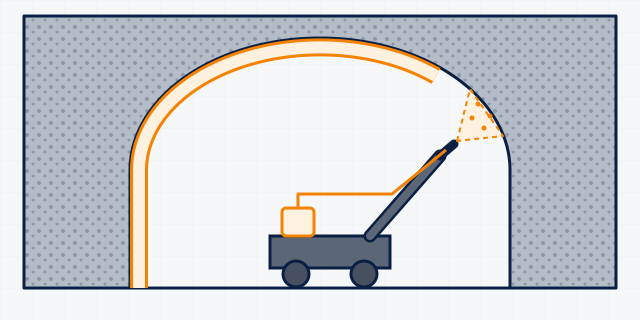 Shotcrete, tunnels & slope stabilisation
Sprayed concrete supports tunnel faces, galleries and cut slopes and lines channels and pools. The system is a pumpable base mix with a superplasticiser, an accelerator dosed at the nozzle, and often fibres.