
Flooring chemicals help improve the strength, durability, finish, and performance of concrete floors. In construction projects, floors face heavy traffic, machinery, moisture, dust, chemicals, and daily wear. For this reason, ordinary concrete flooring is not always enough.
Contractors use flooring chemicals to make floors stronger, smoother, safer, and more suitable for long-term use. These products are commonly used in industrial buildings, warehouses, parking areas, commercial spaces, factories, and high-traffic construction projects.
What Are Flooring Chemicals?
Flooring chemicals are construction chemical products used to improve concrete floor performance. They can strengthen the surface, protect it from damage, improve appearance, reduce dusting, and increase resistance against wear.
Depending on the project, flooring chemicals may be used before, during, or after concrete floor installation.
They help improve:
- Surface strength
- Abrasion resistance
- Dust control
- Floor finishing
- Chemical resistance
- Water resistance
- Long-term durability
In simple words, flooring chemicals help concrete floors last longer and perform better under real site conditions.
Why Are Flooring Chemicals Used?
Concrete floors often face tough conditions. Heavy movement, foot traffic, vehicles, machinery, water, and chemical exposure can damage the surface over time.
Without proper treatment, floors may develop dusting, cracks, weak surfaces, stains, or uneven finishing. Flooring chemicals help reduce these problems and improve the floor’s working life.
For example, a warehouse floor needs high abrasion resistance because forklifts and heavy loads move across it daily. Similarly, an industrial floor may need chemical-resistant coatings to protect the concrete from spills.
Main Types of Flooring Chemicals
1. Floor Hardeners
Floor hardeners increase the surface strength of concrete floors. Contractors usually apply them on fresh concrete to create a harder and more durable surface.
They are commonly used in:
- Warehouses
- Factories
- Parking areas
- Workshops
- Industrial floors
Floor hardeners help reduce surface wear, dusting, and damage caused by heavy traffic.
2. Epoxy Flooring Systems
Epoxy flooring creates a strong and protective layer over concrete floors. It improves durability, appearance, and resistance against chemicals, stains, and abrasion.
People often use epoxy flooring in industrial areas, hospitals, showrooms, garages, laboratories, and commercial spaces.
Epoxy floors are popular because they offer a clean finish and strong surface protection.
3. Floor Coatings
Floor coatings protect concrete floors from moisture, stains, chemicals, and daily wear. They also improve the appearance of the floor.
Different types of coatings are available depending on the site requirement. Some coatings focus on durability, while others focus on appearance, safety, or chemical resistance.
4. Concrete Densifiers
Concrete densifiers make concrete floors denser and harder. They react with the concrete surface and help reduce dusting.
These products are useful for polished concrete floors, warehouses, and commercial spaces where a clean and durable surface is required.
5. Self-Leveling Compounds
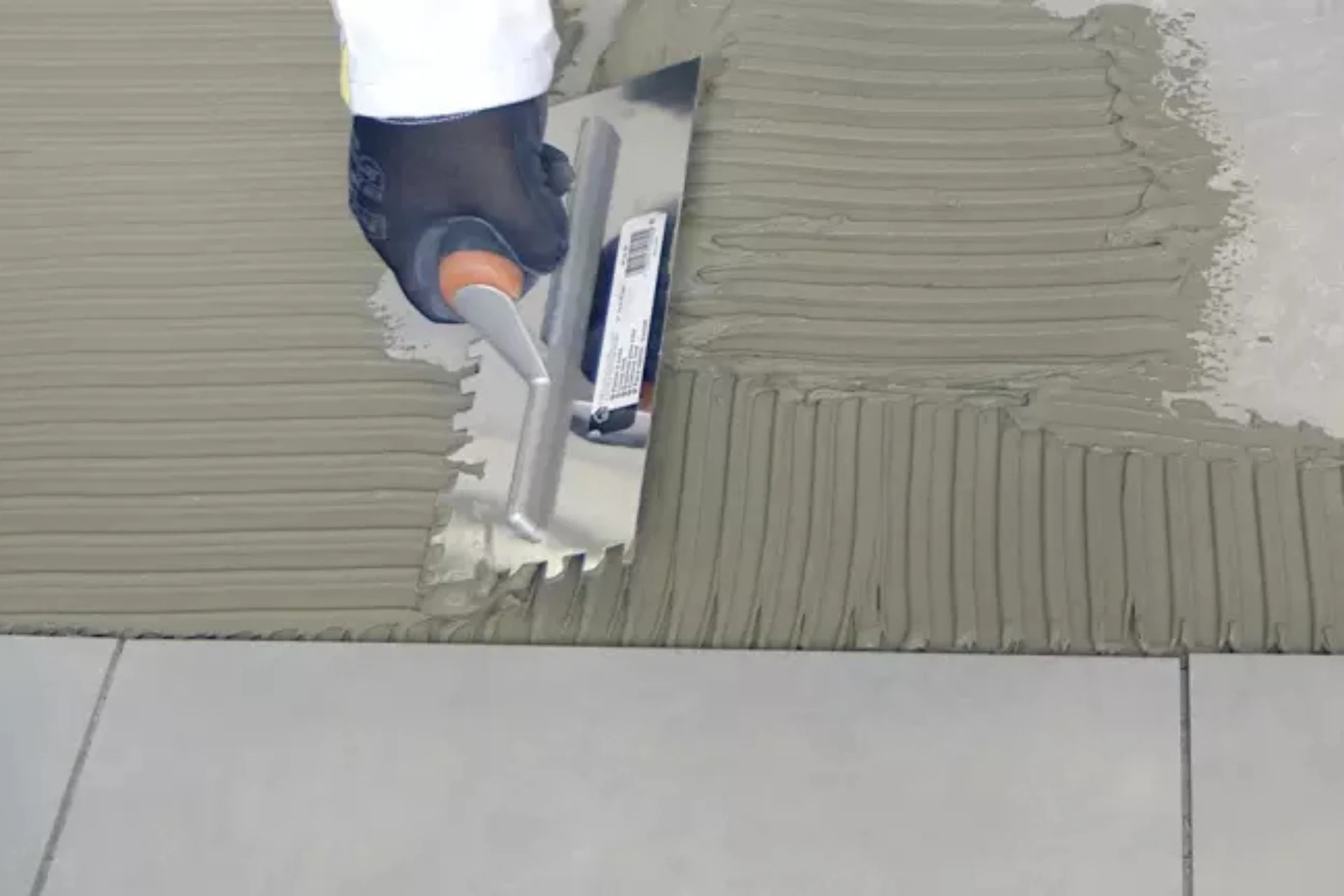
Self-leveling compounds help create a smooth and even floor surface. Contractors use them when the existing floor has uneven areas, minor defects, or level differences.
They are often used before installing tiles, vinyl, epoxy, or other floor finishes.
6. Floor Repair Mortars
Floor repair mortars fix damaged concrete floors, cracks, holes, and surface defects. They help restore the floor before applying coatings or finishing systems.
These products are useful in repair projects where the existing floor needs strength and surface correction.
7. Anti-Slip Floor Treatments
Anti-slip treatments improve floor safety by reducing the risk of slipping. They are useful in wet areas, ramps, parking spaces, factories, and commercial floors.
They help create safer walking and working surfaces.
Benefits of Flooring Chemicals
Flooring chemicals offer many practical benefits on construction sites. They help improve both the performance and life of concrete floors.
Common benefits include:
- Improved surface strength
- Better resistance to wear
- Reduced dusting
- Improved floor appearance
- Longer floor life
- Better chemical resistance
- Easier cleaning and maintenance
- Safer walking and working surfaces
The right flooring chemical can protect the floor and reduce future repair costs.
Where Are Flooring Chemicals Used?
Flooring chemicals are used in many construction and industrial applications, such as:
- Factories
- Warehouses
- Parking areas
- Workshops
- Hospitals
- Showrooms
- Commercial buildings
- Industrial plants
- Garages
- Schools and public buildings
They are especially useful in areas where floors must handle heavy movement, machinery, moisture, or chemical exposure.
How to Choose the Right Flooring Chemical
Choosing the right flooring chemical depends on the site condition and floor requirement. Before selecting a product, first understand the problem.
Ask these questions:
- Will the floor face heavy traffic?
- Does the floor need chemical resistance?
- Is the surface dusty or weak?
- Is waterproofing or moisture protection needed?
- Does the floor need a smooth finish?
- Is the floor for industrial or commercial use?
- Does the floor need repair before finishing?
The wrong product can lead to poor bonding, weak surface protection, peeling, cracking, or early floor failure. Therefore, technical guidance is important before choosing a flooring system.
Common Mistakes to Avoid
Flooring chemicals work well only when workers use them correctly. Some common mistakes include:
- Applying product on a dirty surface
- Ignoring surface preparation
- Using the wrong product for the site
- Applying coating on wet or weak concrete
- Ignoring mixing and dosage instructions
- Skipping repair before coating
- Not allowing proper curing time
These mistakes can reduce floor performance and create problems later.
Conclusion
Flooring chemicals play an important role in modern construction. They help improve concrete floor strength, durability, safety, appearance, and resistance to wear.
From floor hardeners and epoxy coatings to repair mortars and self-leveling compounds, each product solves a different flooring problem. For contractors, builders, and project teams, the goal is not just to apply a chemical. The real goal is to choose the right flooring solution for the right site condition.
Need help choosing the right flooring chemical for your project? Contact MCT Chemicals for product guidance and project supply support.