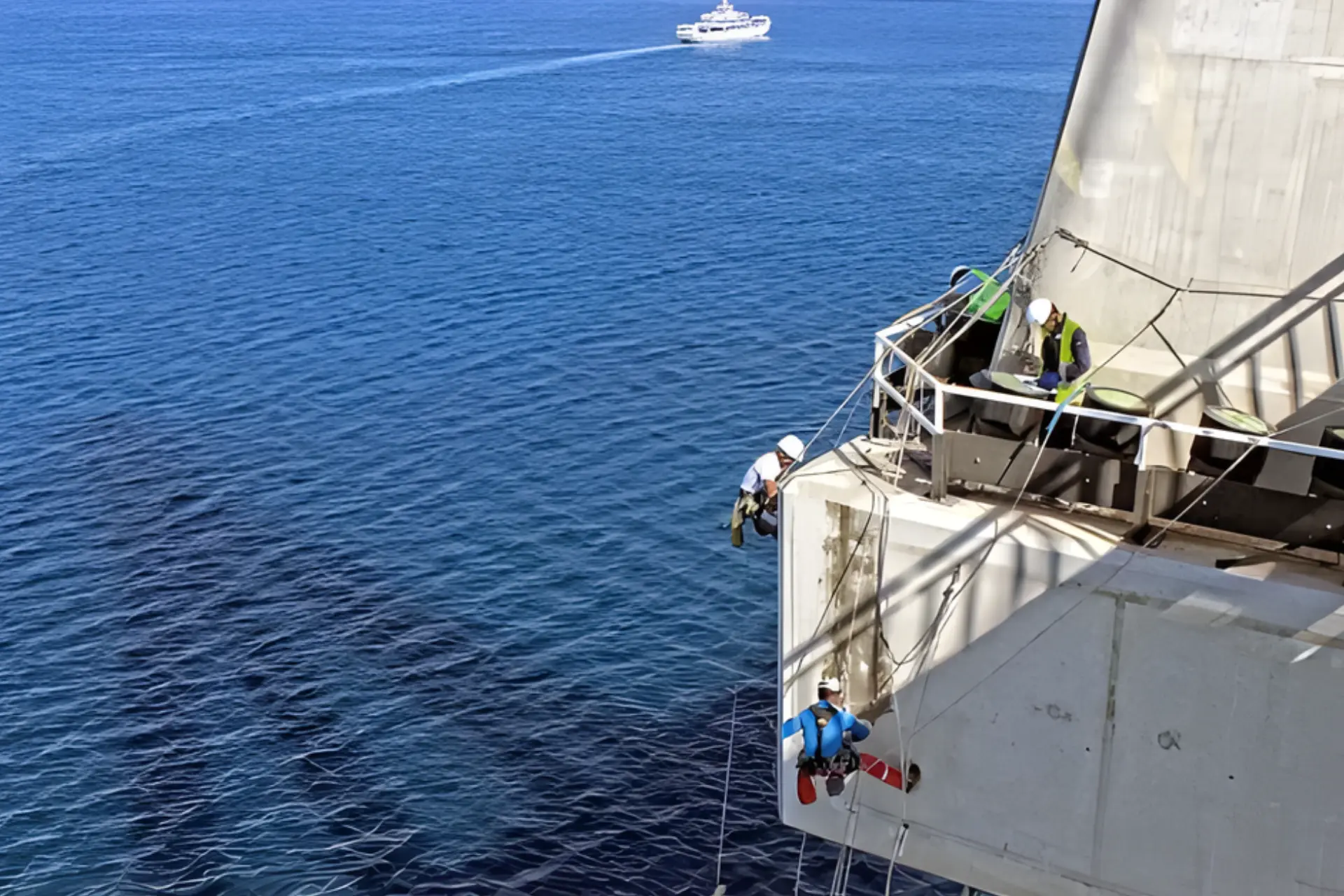

Waterproofing chemicals help protect buildings from leakage, seepage, dampness, and water damage. In construction, water is one of the biggest causes of long-term structural problems. If water enters concrete, walls, roofs, basements, or foundations, it can slowly damage the structure and reduce its life.
Contractors use waterproofing chemicals to create a protective barrier against water. These products help keep surfaces dry, strong, and more durable under real site conditions.
What Are Waterproofing Chemicals?
Waterproofing chemicals are construction chemical products used to stop or reduce water penetration. They are applied on concrete, plaster, masonry, roofs, basements, bathrooms, water tanks, and other surfaces exposed to moisture.
They help protect against:
- Leakage
- Seepage
- Dampness
- Cracks caused by moisture
- Concrete deterioration
- Water absorption
- Surface damage
In simple words, waterproofing chemicals help prevent water from entering areas where it can cause damage.
Why Are Waterproofing Chemicals Used?
Water can damage a building slowly. At first, the problem may look small, such as damp patches, peeling paint, or minor seepage. However, if ignored, it can lead to cracks, corrosion of steel reinforcement, weak concrete, mold growth, and costly repairs.
For example, roofs need waterproofing because they face rain and direct weather exposure. Basements need waterproofing because they are below ground and may face water pressure. Bathrooms and water tanks need waterproofing because they remain exposed to water regularly.
For this reason, waterproofing chemicals are important for both new construction and repair work.
Main Types of Waterproofing Chemicals
1. Cementitious Waterproofing
Cementitious waterproofing is one of the most common waterproofing methods. It usually comes as a cement-based material that is mixed with water or a liquid additive and applied on the surface.
Contractors commonly use it in:
- Bathrooms
- Water tanks
- Basements
- Concrete walls
- Wet areas
It is easy to apply and works well on concrete and masonry surfaces.
2. Acrylic Waterproofing Coatings
Acrylic waterproofing coatings create a flexible protective layer over the surface. These coatings are commonly used on roofs and exposed concrete areas.
They help resist rainwater, sunlight, and surface movement. Acrylic coatings are useful because they can cover small surface cracks and provide a smooth waterproof layer.
3. Bituminous Waterproofing
Bituminous waterproofing is commonly used where strong water resistance is needed. It is often used for roofs, foundations, basements, and below-ground structures.
Bituminous products can protect surfaces from moisture and water pressure. However, workers must apply them correctly for good performance.
4. Polyurethane Waterproofing
Polyurethane waterproofing creates a strong and flexible waterproof membrane. It is often used on roofs, terraces, balconies, and areas where movement or cracking may occur.
This system provides excellent protection, but it usually requires proper surface preparation and skilled application.
5. Waterproofing Admixtures
Waterproofing admixtures are added directly into concrete during mixing. They help reduce water penetration inside the concrete itself.
Contractors use them in:
- Water tanks
- Basements
- Foundations
- Retaining walls
- Concrete structures exposed to moisture
These admixtures improve the water resistance of concrete from within.
6. Crack Fillers and Sealants
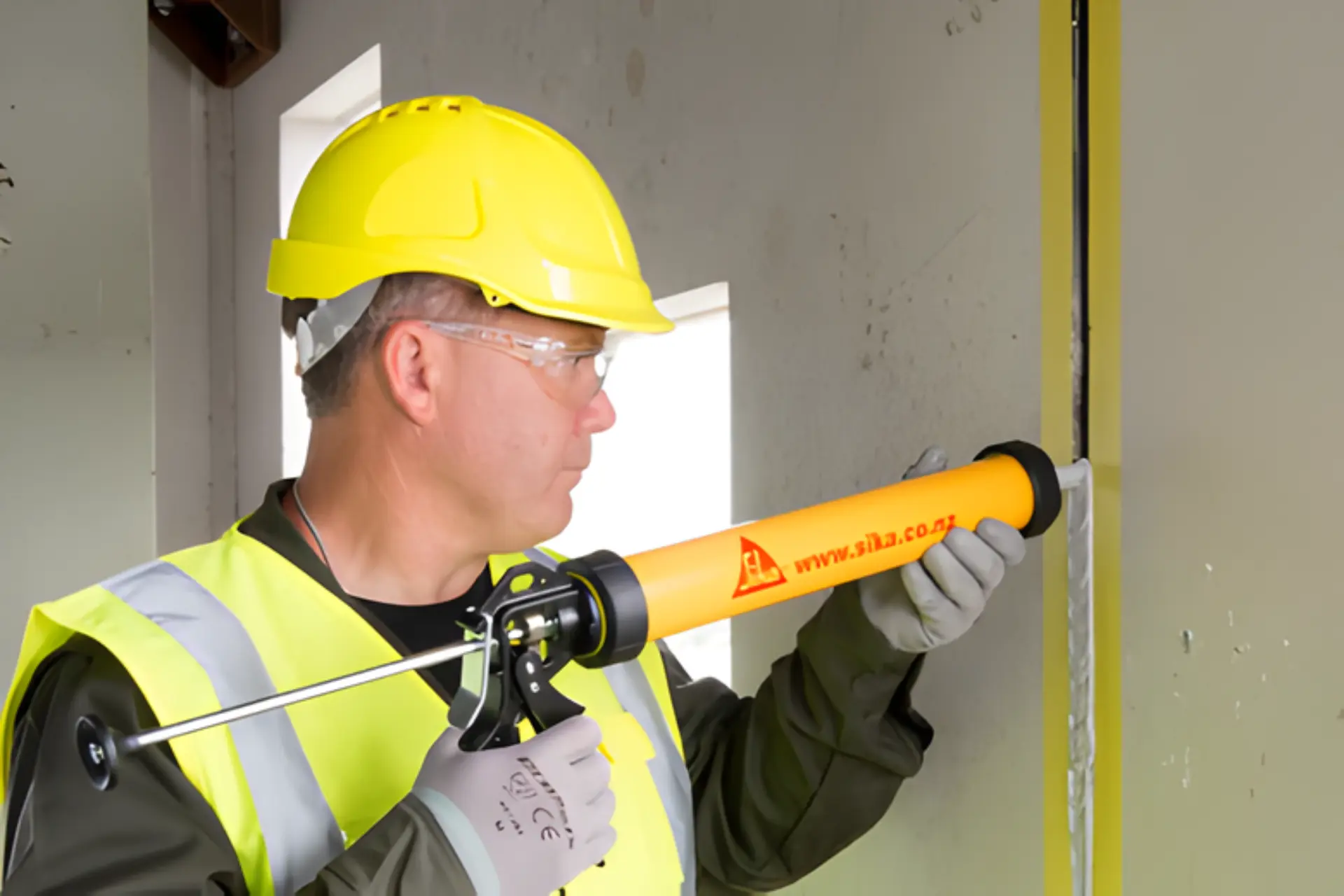
Crack fillers and sealants are used to close cracks, joints, and gaps where water may enter. They are useful for repair work and maintenance.
Common applications include:
- Wall cracks
- Roof cracks
- Expansion joints
- Concrete gaps
- Leakage points
Before applying waterproofing, workers often need to repair cracks first.
Benefits of Waterproofing Chemicals
Waterproofing chemicals provide many benefits in construction. They protect the structure and reduce future repair costs.
Common benefits include:
- Protection against leakage
- Reduced seepage and dampness
- Longer building life
- Better concrete durability
- Protection of steel reinforcement
- Improved surface protection
- Reduced repair and maintenance costs
- Better resistance against moisture
The right waterproofing system helps prevent small water problems from becoming serious structural issues.
Where Are Waterproofing Chemicals Used?
Waterproofing chemicals are used in many areas of construction, such as:
- Roofs
- Basements
- Bathrooms
- Water tanks
- Foundations
- Retaining walls
- Terraces
- Balconies
- Concrete slabs
- External walls
- Industrial buildings
They are especially important in areas exposed to rain, water pressure, moisture, or regular washing.
How to Choose the Right Waterproofing Chemical
Choosing the right waterproofing chemical depends on the site condition and the type of water problem.
Before selecting a product, ask:
- Is the area exposed to rain?
- Is there water pressure from the ground?
- Is the surface concrete, plaster, or masonry?
- Are there cracks or joints?
- Is the area indoor or outdoor?
- Does the surface face sunlight?
- Is the project new construction or repair work?
The wrong waterproofing product can fail quickly. Therefore, proper surface preparation, correct product selection, and correct application are very important.
Common Mistakes to Avoid
Waterproofing chemicals only work well when workers apply them correctly. Some common mistakes include:
- Applying waterproofing on a dirty surface
- Ignoring cracks before coating
- Using the wrong product for the area
- Skipping primer where required
- Applying coating too thin
- Not allowing proper drying or curing time
- Ignoring drainage and slope issues
These mistakes can cause leakage, peeling, cracks, and early waterproofing failure.
Conclusion
Waterproofing chemicals play an important role in protecting buildings from water damage. They help prevent leakage, seepage, dampness, and concrete deterioration.
From roofs and basements to bathrooms and water tanks, each area needs the right waterproofing solution. For contractors, builders, and project teams, the goal is not just to apply a coating. The real goal is to choose the right waterproofing system for the right site condition.
Need help choosing the right waterproofing chemical for your project? Contact MCT Chemicals for product guidance and project supply support.