
Repair and protection chemicals help restore damaged concrete, protect surfaces, seal cracks, and improve the durability of structures. In construction, concrete and masonry can become weak over time because of water, weather, cracks, corrosion, poor workmanship, heavy loads, or chemical exposure.
For this reason, contractors use repair and protection chemicals to fix damaged areas and protect structures from future deterioration. These products are commonly used in buildings, bridges, basements, industrial floors, roofs, water tanks, and infrastructure projects.
What Are Repair & Protection Chemicals?
Repair and protection chemicals are construction chemical products used to repair damaged concrete and protect structures from further damage. They help restore strength, improve surface quality, seal cracks, prevent water entry, and protect against environmental effects.
They help with:
- Concrete repair
- Crack filling
- Surface protection
- Corrosion control
- Water resistance
- Bond improvement
- Structural strengthening
- Long-term durability
In simple words, repair chemicals fix the damage, while protection chemicals help prevent the same problem from coming back.
Why Are Repair & Protection Chemicals Used?
Concrete structures face many site problems. Water can enter cracks. Steel reinforcement can corrode. Surfaces can become weak, dusty, or damaged. Floors can wear out due to traffic. Walls and slabs can develop cracks because of movement, shrinkage, or poor curing.
Repair and protection chemicals help solve these problems before they become bigger and more expensive.
For example, a small crack in concrete may look harmless at first. However, if water enters through that crack, it can reach the steel reinforcement and cause corrosion. Over time, this can weaken the structure. A proper crack repair product can help stop water entry and protect the concrete.
Main Types of Repair & Protection Chemicals
1. Repair Mortars
Repair mortars are used to restore damaged concrete surfaces. They help fix broken edges, honeycombed concrete, spalled areas, and surface defects.
Contractors commonly use repair mortars for:
- Concrete walls
- Slabs
- Columns
- Beams
- Stairs
- Industrial floors
- Precast elements
Good repair mortar should bond well, gain strength properly, and match the repair requirement.
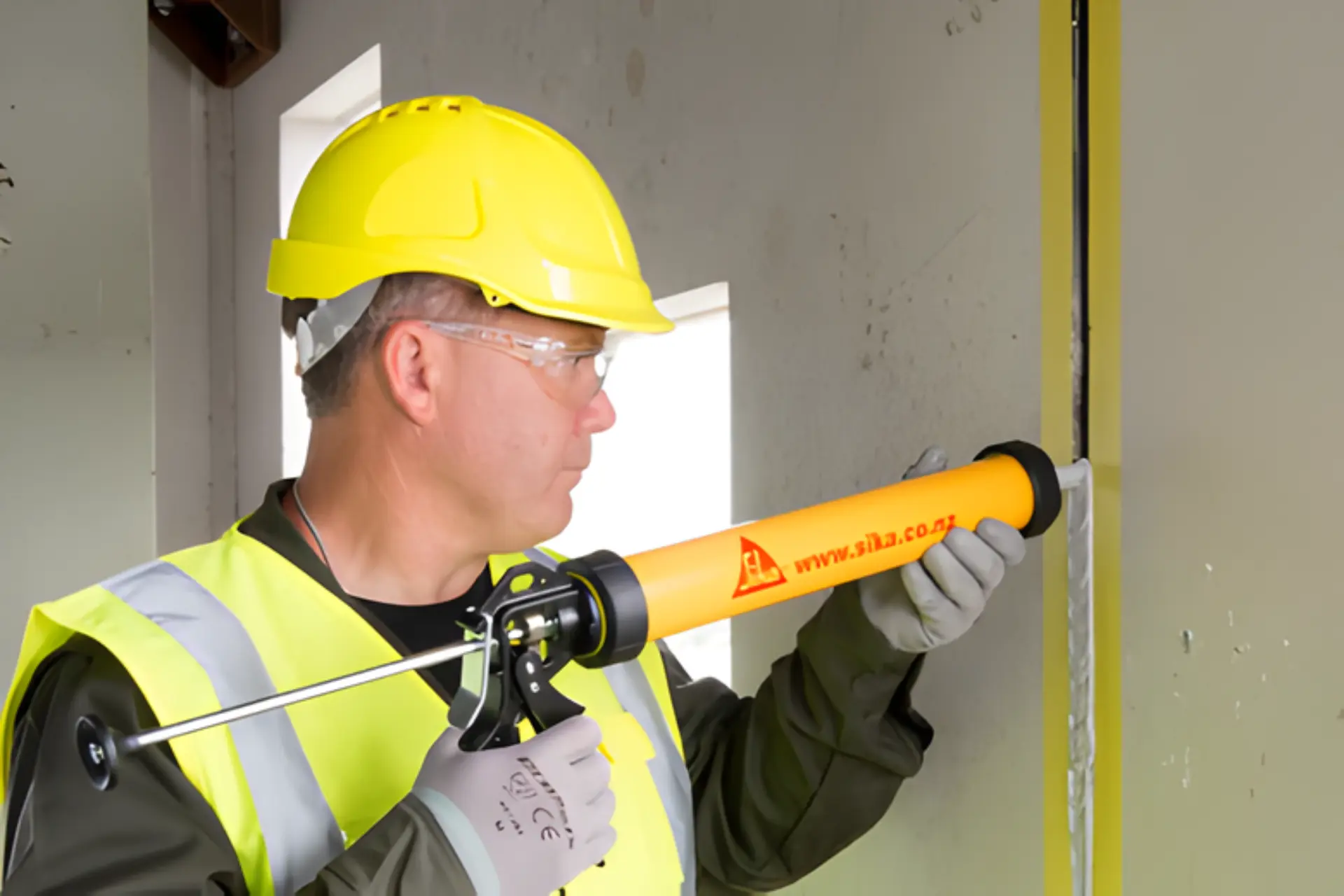
2. Crack Fillers
Crack fillers are used to fill cracks, gaps, and small openings in concrete, plaster, or masonry. They help stop water, dust, and dirt from entering the crack.
Crack fillers are commonly used for:
- Wall cracks
- Roof cracks
- Concrete gaps
- Plaster cracks
- Floor cracks
- Repair and maintenance work
Before applying any protection coating, workers should repair visible cracks first.
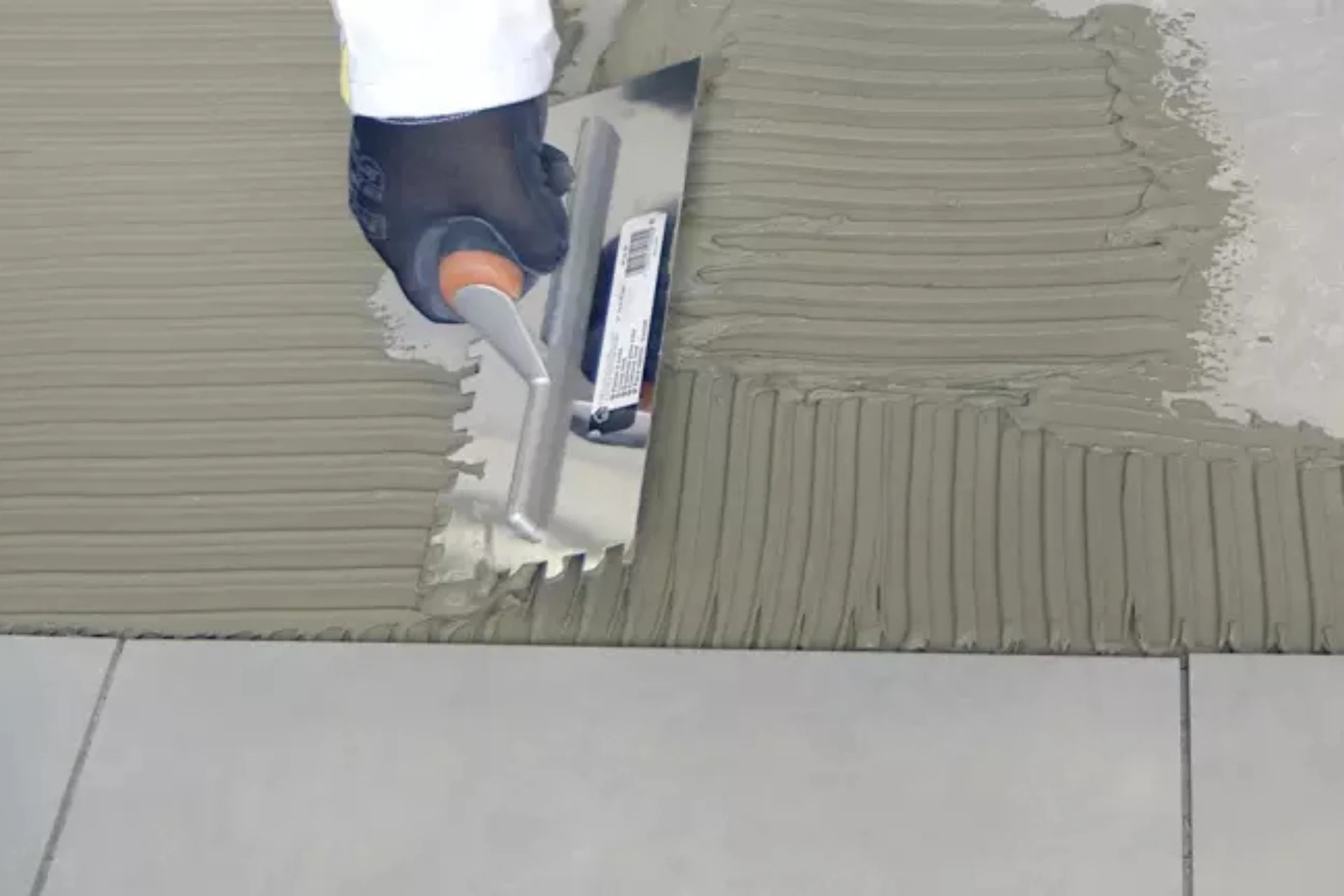
3. Bonding Agents
Bonding agents improve adhesion between old and new concrete, plaster, or repair materials. They help the new repair layer stick properly to the existing surface.
Contractors use bonding agents in:
- Concrete repair
- Plaster repair
- Screed work
- Patch repair
- Old-to-new concrete bonding
Without proper bonding, the repair material may debond, crack, or fail early.
4. Anti-Corrosion Coatings
Anti-corrosion coatings help protect steel reinforcement from corrosion. Workers often apply them on exposed steel before repairing damaged concrete.
These coatings are useful when concrete has cracked or spalled and the reinforcement is visible. They help protect the steel and improve the life of the repair.
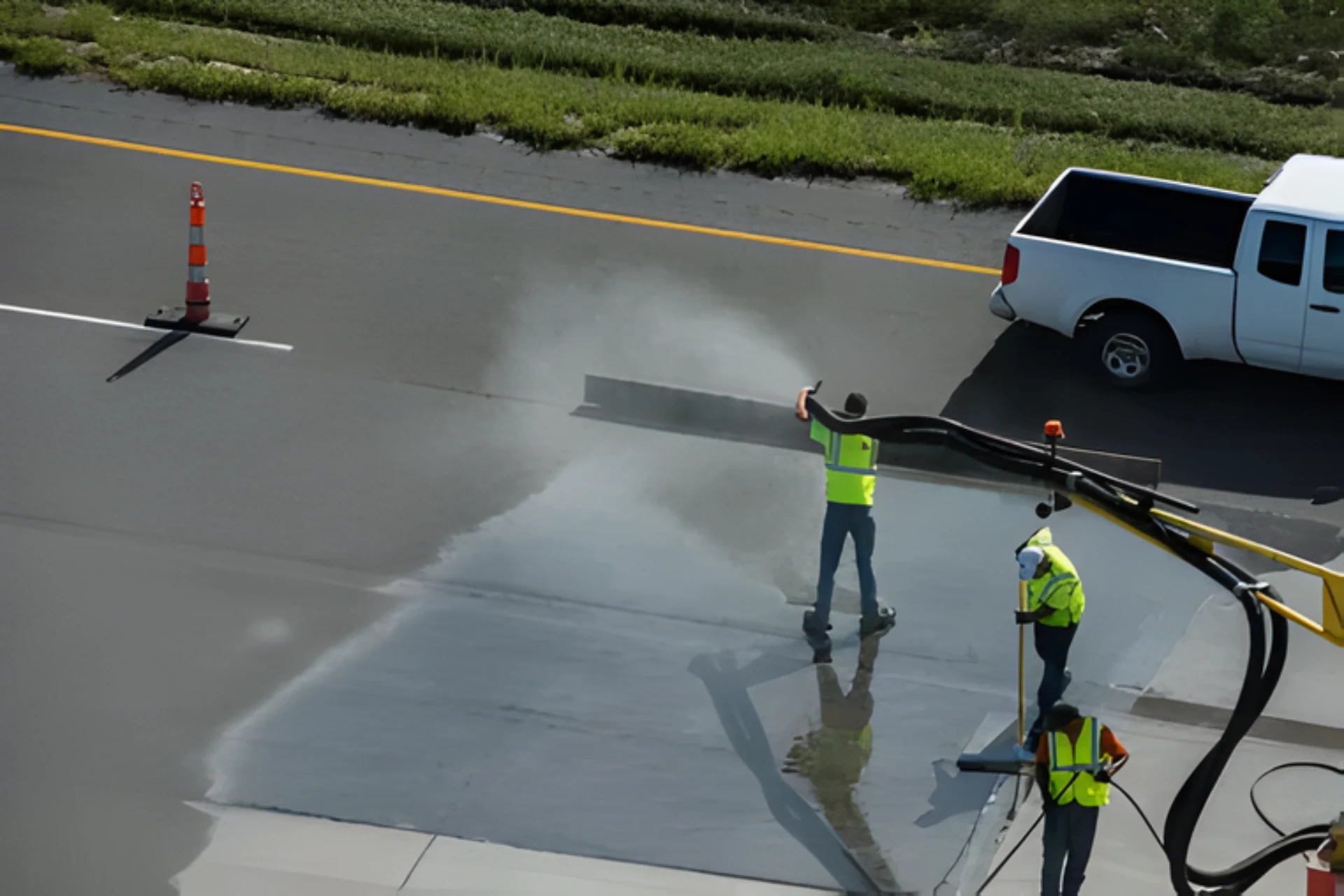
5. Protective Coatings
Protective coatings create a barrier over concrete or masonry surfaces. They help protect the surface from water, chemicals, weather, dust, and wear.
Common applications include:
- External walls
- Concrete surfaces
- Industrial areas
- Basements
- Water-retaining structures
- Floors
- Roofs
The right protective coating can reduce maintenance and improve long-term performance.
6. Surface Hardeners
Surface hardeners improve the strength and wear resistance of concrete floors and surfaces. They help reduce dusting and surface damage in high-traffic areas.
People commonly use them in:
- Warehouses
- Factories
- Parking areas
- Workshops
- Industrial floors
Surface hardeners are useful when concrete needs extra durability against traffic and abrasion.
7. Injection Repair Systems
Injection repair systems are used to repair cracks and voids inside concrete. Workers inject the material into cracks or empty spaces to seal, bond, or strengthen the affected area.
These systems are useful for:
- Structural cracks
- Leakage cracks
- Voids
- Concrete strengthening
- Water-retaining structures
Injection repair needs proper inspection and skilled application.
Benefits of Repair & Protection Chemicals
Repair and protection chemicals provide many practical benefits in construction. They help extend the life of structures and reduce future repair costs.
Common benefits include:
- Restored concrete strength
- Improved surface durability
- Reduced water penetration
- Better crack control
- Protection against corrosion
- Improved bonding
- Longer structure life
- Reduced maintenance cost
The right product can stop damage from spreading and protect the structure under real site conditions.
Where Are Repair & Protection Chemicals Used?
Repair and protection chemicals are used in many areas, such as:
- Buildings
- Bridges
- Basements
- Roofs
- Water tanks
- Industrial floors
- Parking areas
- Concrete walls
- Columns and beams
- Foundations
- Infrastructure projects
- Repair and maintenance works
They are especially important where concrete is already damaged or exposed to water, weather, chemicals, traffic, or heavy loads.
How to Choose the Right Repair & Protection Chemical
Choosing the right product depends on the damage type, surface condition, and project requirement.
Before selecting a repair or protection chemical, ask:
- Is the damage structural or non-structural?
- Is there water leakage?
- Are cracks active or stable?
- Is steel reinforcement exposed?
- Does the surface need bonding support?
- Is the area exposed to chemicals or weather?
- Is the repair area horizontal or vertical?
- Does the surface need a protective coating?
The wrong product can lead to poor bonding, cracks, peeling, weak repair, or early failure. Therefore, technical guidance is important before starting repair work.
Common Mistakes to Avoid
Repair and protection chemicals work well only when workers use them correctly. Some common mistakes include:
- Applying repair material on a dusty surface
- Ignoring weak or loose concrete
- Skipping crack repair before coating
- Using the wrong repair mortar
- Not treating exposed steel reinforcement
- Applying coating on damp or contaminated surfaces
- Ignoring curing time
- Using product without checking site conditions
These mistakes can reduce repair strength and cause the same problem to return.
Conclusion
Repair and protection chemicals play an important role in construction maintenance and durability. They help restore damaged concrete, seal cracks, protect surfaces, improve bonding, and reduce future damage.
From repair mortars and crack fillers to bonding agents and protective coatings, each product solves a different site problem. For contractors, builders, and project teams, the goal is not just to cover the damage. The real goal is to repair the problem correctly and protect the structure for long-term performance.
Need help choosing the right repair or protection chemical for your project? Contact MCT Chemicals for product guidance and project supply support.
Concrete repair products supplied by MCT Chemicals
- Structural concrete repair systems
- Browse all repair mortars
- Sika MonoTop®-612 — structural repair mortar
- SikaTop® Armatec-110 EC — bonding primer and rebar protection
Request a quotation or technical guidance from MCT Chemicals — Islamabad and Rawalpindi, supplying nationwide.