
Sikafloor®-264 SG
Sika Confirm availability
Two-Part, Satin-Gloss High-Build Epoxy Floor Coating
Data sheet details on request.

Popular: Sikaflex · waterproofing · grout · data sheets
Dusty or worn floors — Factory and warehouse floors that dust or wear. Show 5 products ↓
Project type: Power plant / grid substation Clear ✕
For this problem the location does not change the recommendation.
Two-Part, Satin-Gloss High-Build Epoxy Floor Coating
Data sheet details on request.

Why: Sikafloor® CureHard-24 may only be used by experienced professionals. (TDS p.1)

Two-Part, Low-Viscosity, Multipurpose Epoxy Primer & Binder
Data sheet details on request.

Self-Smoothing Pigmented Epoxy Resin Floor Coating
Data sheet details on request.

Why: Sikafloor®-264 may only be used by experienced professionals. Sikafloor®-264 is used as: Roller coat for concrete and cement screeds with normal up to medium heavy wear e.g. storage and assembly halls, maintenance workshops, garages and loading ramps, Seal coat for broadcast systems, such as multi-storey and underground car parks, maintenance hangars and for wet process areas, e.g. beverage and food industry. (TDS p.1)
Product facts on these cards are taken from the manufacturer data sheets (page cited on each card) and are being reviewed by our technical team. Always check the data sheet before use.
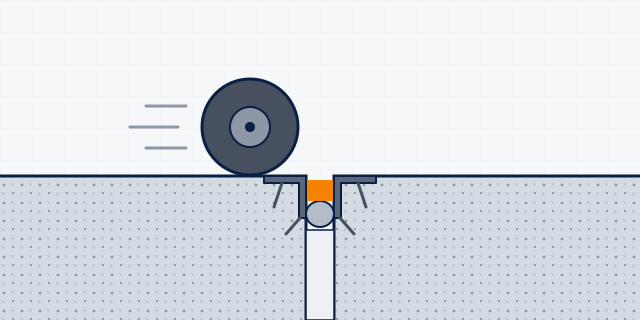 Floor joints in car parks, warehouses and roads
Saw-cut, expansion and connection joints in floors that carry people, cars, forklifts or trucks. The sealant must take both traffic and movement, and the joint must be sized for it.
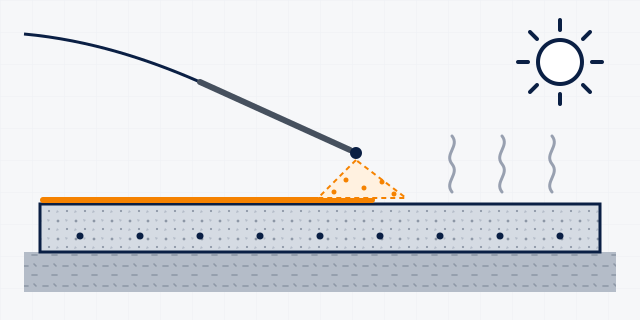 Concrete curing
Curing keeps water in young concrete so it gains strength and does not crack or dust. In Pakistan's heat and dry wind it must start within minutes of finishing, by wet curing or a sprayed curing compound.
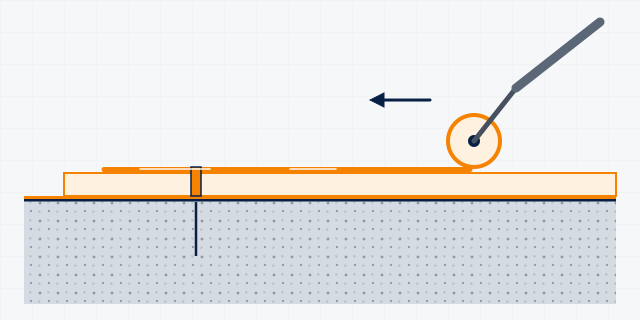 Epoxy industrial floors
Epoxy floors give factories, warehouses, workshops and labs a seamless, dust-free and easy-to-clean surface. Success depends on a strong, dry slab, mechanical preparation and a trained applicator.
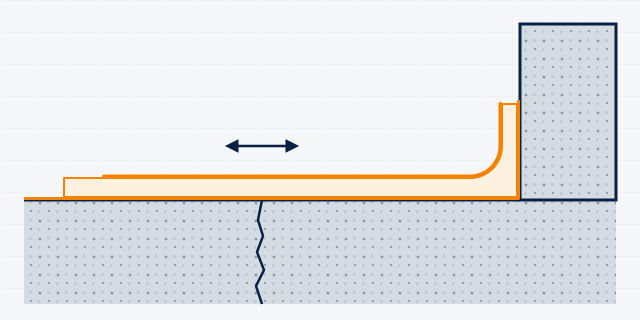 Polyurethane & elastic floors
Polyurethane floors are tougher and more flexible than epoxy, can bridge fine cracks and, with the right seal coat, resist UV. Use them on crack-prone slabs, for comfortable decorative interiors, on balconies, and as PU-cement screeds where heavy wear and heat occur.
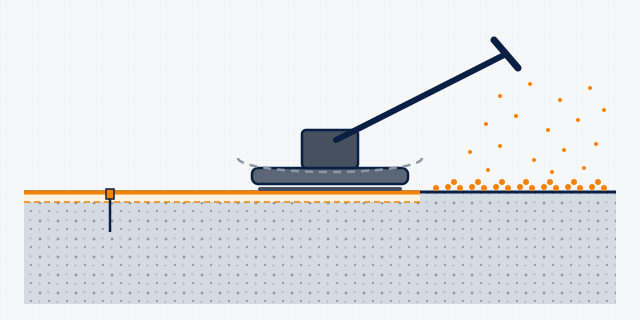 Warehouse floor hardeners (dry-shake)
New warehouse and factory slabs get a hard, dust-free wearing surface when a dry-shake hardener is trowelled into the fresh concrete and cured straight away. Existing dusty slabs can be densified with a liquid hardener.
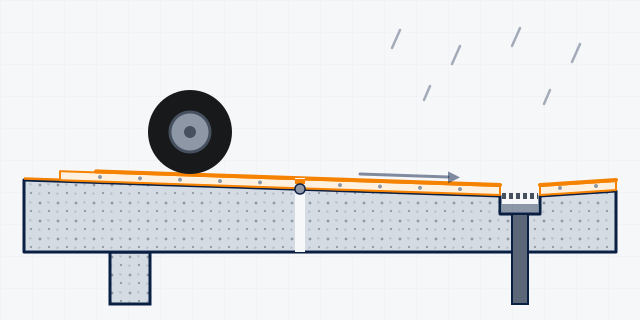 Car-park decks & ramps
Car-park decks face tyre wear, oil, water and, on the open top deck, sun and monsoon rain. A crack-bridging resin system with a UV-resistant seal coat and sealed joints protects the slab and the floors below.
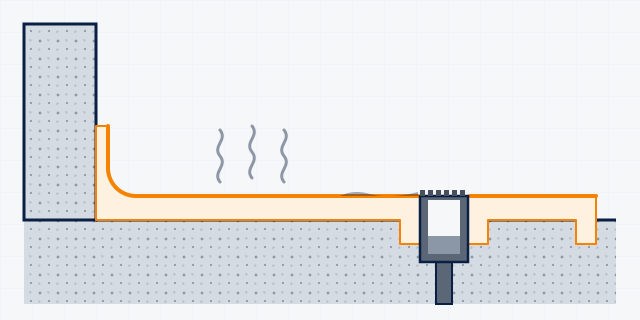 Food, beverage & chemical floors
Dairies, bakeries, beverage plants, pharma and chemical areas need floors that resist hot water, steam cleaning, thermal shock and chemicals without tainting food. Polyurethane-cement screeds (PurCem, Ucrete) with coved upstands are the usual answer.
 Decorative floors
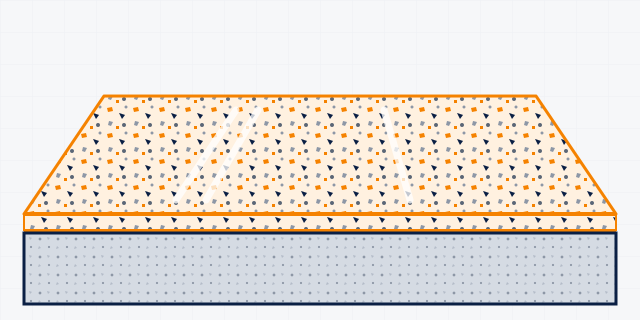
Showrooms, offices, malls, lobbies and homes want floors that look good and still wear well. Options range from coloured epoxy with décor granules and soft polyurethane to terrazzo-look PU, coloured dry-shake and polished concrete.
Send us the condition, the area and the surface. Your selection is already in the message.