
Skip to content
Product finder

Concrete Deterioration in Damaged Concrete

Damaged or spalling concrete — Broken edges, honeycombing, exposed steel. Show 11 products ↓

  1. Step 1 (completed)Damaged or spalling concrete
  2. Step 2Damaged Concrete
  3. ResultProducts & systems

Project type: Mosque / community hall Clear ✕

Where is it? (optional)

2 products suit every location and are always shown.

Your selection

Problem
Damaged or spalling concrete
Location
Damaged Concrete
Products
11
Ask on WhatsApp Start again
Products for this problem

Matching products (11)

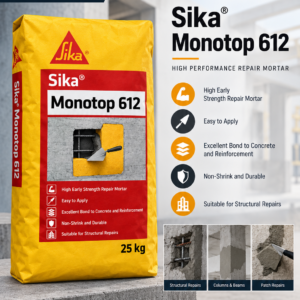
Sika MonoTop®-612

Sika MonoTop®-612

Sika Confirm availability

Why: Sika MonoTop®-612 PK is used for structural concrete repairs as well as general patching to concrete and mortars. (TDS p.1)

  • Easy to use, just add water
  • Excellent workability
  • Adjustable consistency
Surfaces
concrete · mortar · steel/metal
System
Structural Concrete Repair
⚠ 3 limitations to check
  • Sika MonoTop®-612 PK should not be used at temperatures below 5°C.
  • At ambient temperatures above 35°C, the material should be stored in the shade and chilled water should be used for mixing.
  • Sika MonoTop®-612 PK may be over coated with Sikagard ElastoColor W, Sikagard-680 S, Sikagard-550 W Elastic and all Sika Rep and MonoTop products.
TDS p.2
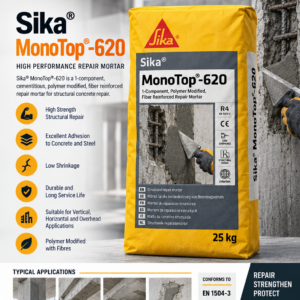
Sika MonoTop®-620

Sika MonoTop®-620

Sika Confirm availability

Why: Sika MonoTop®-620 can be applied with or withour a reinforcement matt, over concrete or mortar surfaces or over SikaTop® or Sika Monotop® mortars. It is suitable for the following uses: Use as a concrete/ mortar pore sealler or levelling mortar, Thin layer render over vertical or horizontal structural elements, Repairing of minor defects (pores and honeycombed concrete). (TDS p.1)

  • Easy to apply
  • Class R3 of EN 1504-3
  • Adjustable consistency to improve workability
Surfaces
concrete · plaster/render · mortar · steel/metal
System
Structural Concrete Repair
⚠ 3 limitations to check
  • Refer to the Method Statement for Concrete Repair using Sika MonoTop® systems for more information or refer to recommendations provided in EN 1504-10
  • Avoid application in direct sun and/ or strong wind
  • Do not add water over recommended dosage
TDS p.2
SikaRep® Fine

SikaRep® Fine

Sika Confirm availability

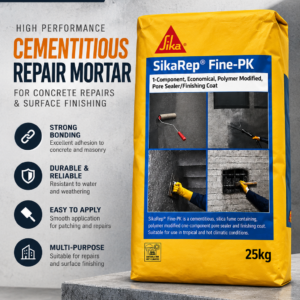
Why: SikaRep® Fine PK can be used as a: Pore sealer / finishing mortar on cementitious substrates, Thin layer rendering on horizontal and vertical areas in building and civil engineering construction, for external and internal finishing etc, Levelling mortar on uneven substrates, and profiled concrete surfaces. (TDS p.1)

  • Easy to use
  • Excellent workability
  • Good mechanical strengths
Surfaces
concrete · mortar
System
Structural Concrete Repair
Location
Suits all locations
SikaEmaco® S 488

SikaEmaco® S 488

Sika Confirm availability

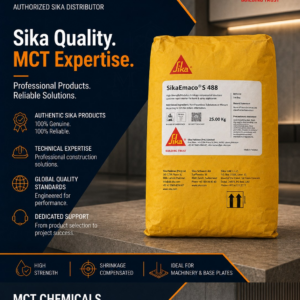
Why: SikaEmaco® S 488 is used for the structural repair of concrete elements such as: Columns, piers and cross beams of bridges, Cooling towers and chimneys and other industrial environments, Water treatment and sewerage facilities before subsequent coating. (TDS p.1)

  • Easy-to-use product, only mix with water.
  • Thixotropic mortar, application without extra bonding primer.
  • Very good workability, can be easily sprayor trowelapplied.
Surfaces
concrete · mortar · steel/metal
Pack
25 kg bag
System
Structural Concrete Repair
⚠ 3 limitations to check
  • Only mix complete, undamaged bags of SikaEmaco® S 488.
  • Do not apply SikaEmaco® S 488 at temperatures below +5 °C nor above +35 °C
  • Do not apply SikaEmaco® S 488 in case of strong winds.
TDS p.2
SikaGrout®-114 PK

SikaGrout®-114 PK

Sika Confirm availability

Why: SikaGrout®-114 PK is used for grouting in the following: Machine foundations, Columns in pre-cast construction, Concrete anchors, cavities, gaps, and recesses. (TDS p.1)

  • SikaGrout®-114 PK is easy to use grout requiring only the addition of water.
  • Easy to mix
  • Good flow characteristics
Surfaces
concrete · steel/metal
System
Precision Grouting
⚠ 3 limitations to check
  • Ensure formwork is secure and watertight to prevent movement and leaking during placing and curing.
  • Where maximum thickness exceeds 75 mm, consider the use of Sikacrete®-113PP SA.
  • At high temperatures, use chilled water for mixing to keep grout mix temperature below 30°C.
TDS p.2
SikaGrout®-928

SikaGrout®-928

Sika Confirm availability

Why: SikaGrout®-928 PKprecision grout is used for grouting various applications such as: Machine foundations, Coloumns in precast costruction, Concrete anchors. (TDS p.1,2)

  • Impermeability to water.
  • High resistance to attack by lubricating oils.
  • High resistance to fatigue, thermal cycling and high temperatures.
Surfaces
concrete · mortar · steel/metal
Pack
25kg
System
Precision Grouting
SikaLatex® PK

SikaLatex® PK

Sika Confirm availability

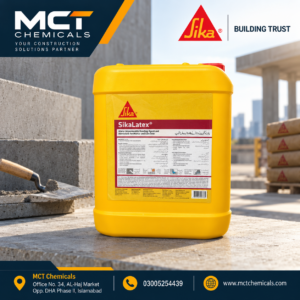
Why: SikaLatex® PK is used as bonding agent and sitemix mortar admixture for the following applications: Grouts and screeds, Patch repair mortars, Mansonry mortars. (TDS p.1)

  • Increased adhesion
  • Reduced shrinkage and cracking
  • Increased abrasion resistance
Surfaces
screed · mortar · tiles/ceramic
System
Structural Concrete Repair
⚠ 1 limitation to check
  • Never use pure SikaLatex® PK or SikaLatex® PK-water mix directly onto the substrate as bonding bridge, always add cement and sand to the mix.
TDS p.2
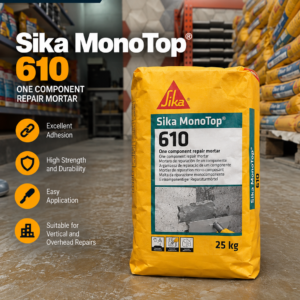
Sika MonoTop®-610

Sika MonoTop®-610

Sika Confirm availability

Why: This product may only be used by experienced professionals. (TDS p.1)

  • Easy to use, just add water
  • Adhesion to concrete and steel
  • Good resistance to water and chloride penetration
Surfaces
concrete · mortar · steel/metal
System
Structural Concrete Repair
⚠ 3 limitations to check
  • Avoid application in direct sun and/or strong wind and/or rain
  • Do not add water over the recommended dosage
  • Apply only to sound, prepared substrates
TDS p.2

Product facts on these cards are taken from the manufacturer data sheets (page cited on each card) and are being reviewed by our technical team. Always check the data sheet before use.

Step-by-step

Follow a complete solution

See all 20 step-by-step guides
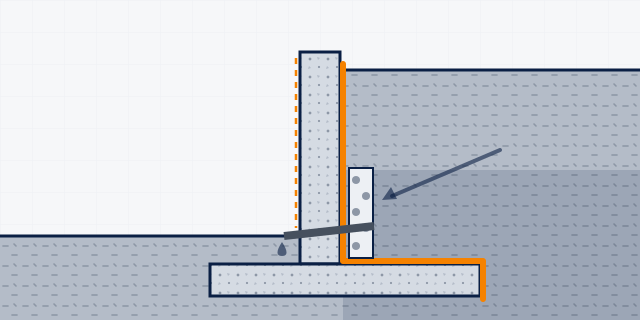
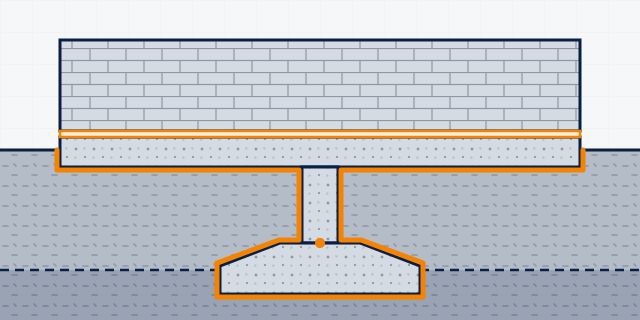
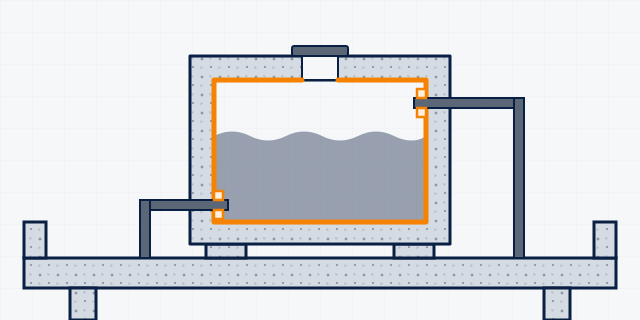
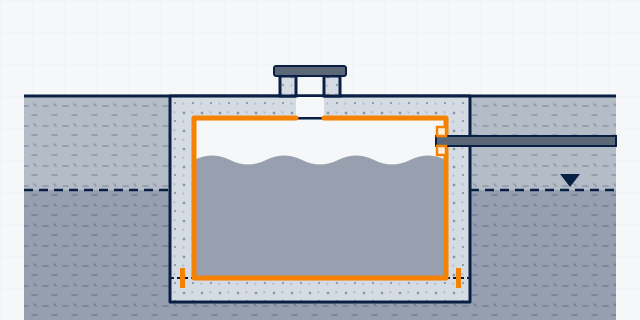
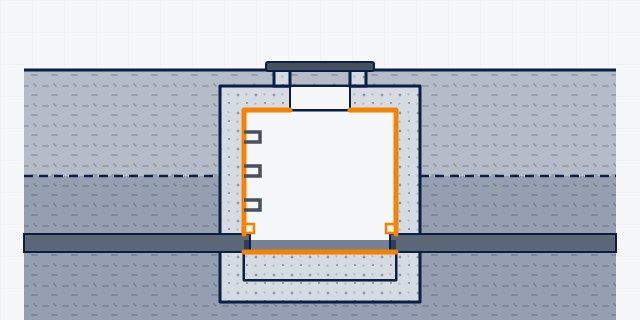
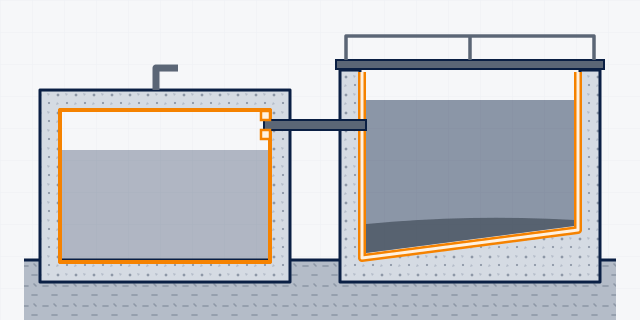
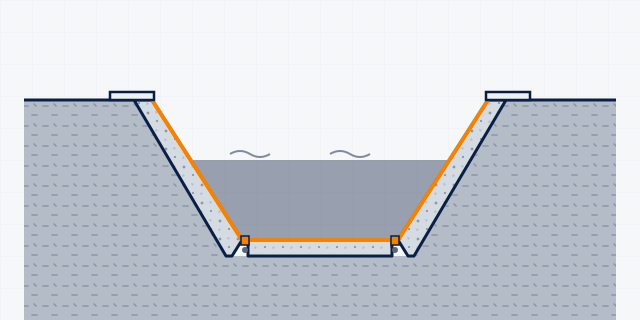
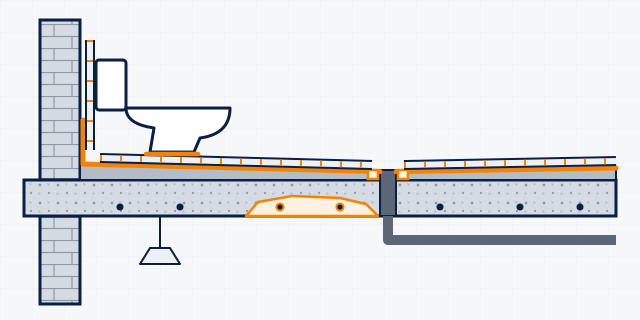
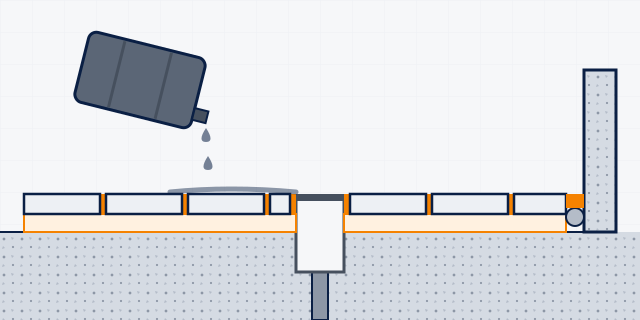
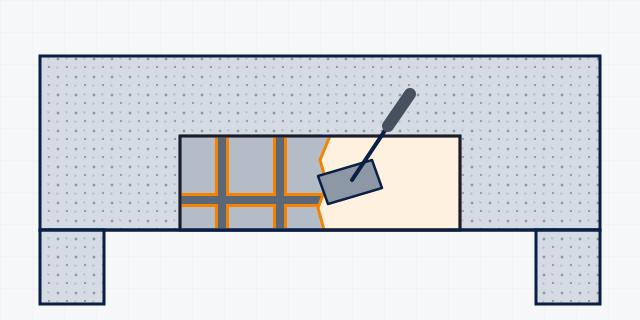
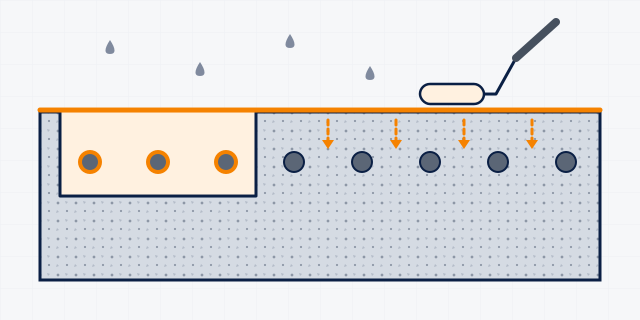
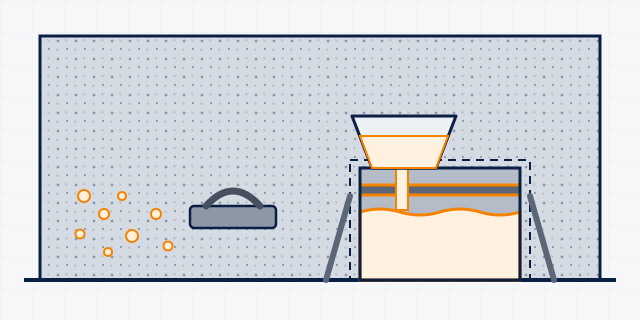
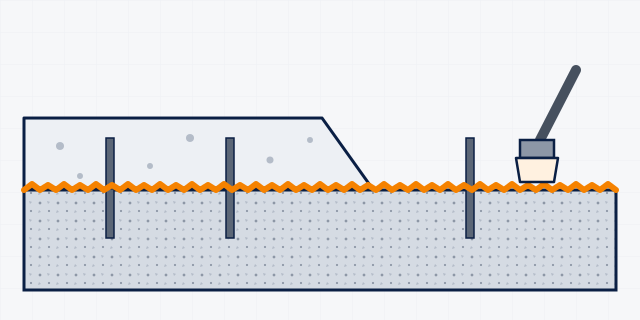
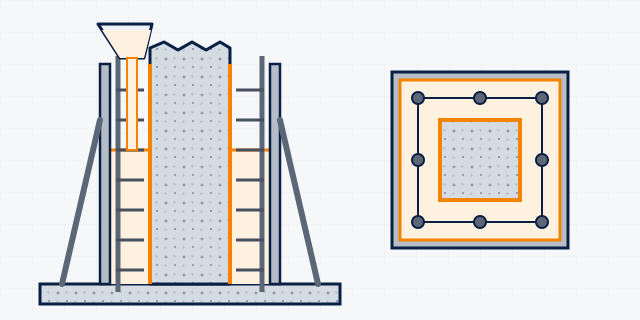
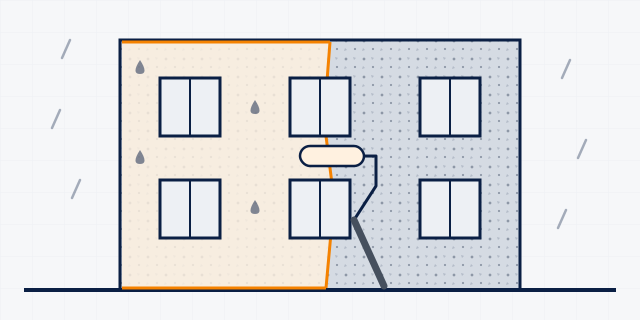
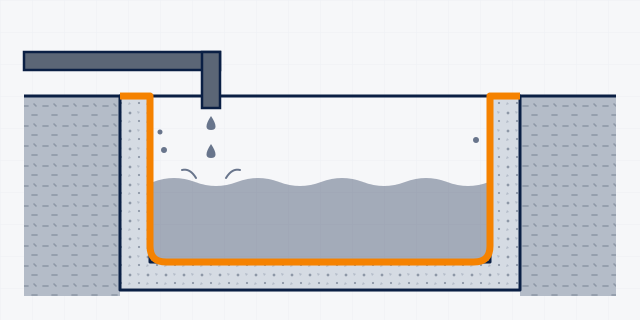
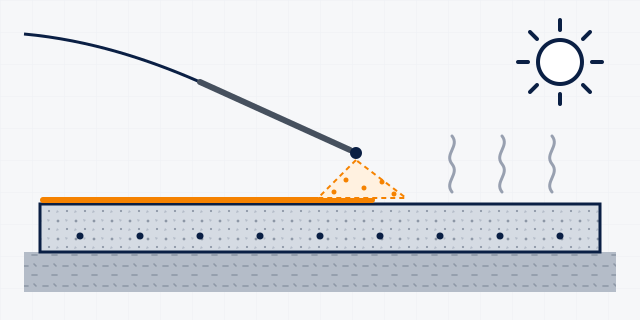
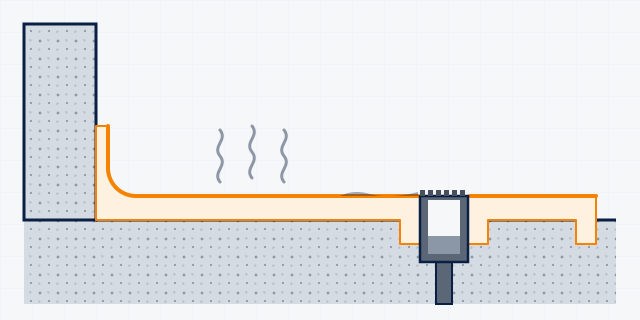
Section of an underground sewage manhole with pipes, step irons and a protective lining on the inside faces Sewage tanks, manholes & septic tanks Sewage and wastewater structures leak out, let groundwater in and are eaten away by aggressive effluent. Plug and rebuild the concrete, waterproof it, and add a chemical-resistant lining where the effluent is aggressive. 7 steps Two treatment plant tanks: a covered clean-water tank with a thin lining and an open settling tank with a thick lining Water & wastewater treatment plants Clarifiers, filter beds, clear-water reservoirs and process tanks need watertight concrete, sealed joints and the right lining for each water type. Drinking-water compartments take only products approved for potable contact. 6 steps Cross-section of a lined canal with water, a waterproof coating on the concrete lining and sealed panel joints Canals, channels & open drains Irrigation canals, water channels, nullahs and storm drains lose water through cracked lining, open joints and eroded concrete. Repair the lining, waterproof it, and seal joints with sealants made for submerged use. 5 steps Section of an upstairs toilet floor with restored waterproofing and a repaired, dry ceiling slab in the room below Toilet or bathroom leaking into the ceiling below Seelan, drips or falling plaster on the ceiling under an upstairs bathroom. Find the source, fix it from the bathroom side, then dry and repair the ceiling slab below. 6 steps Factory floor tiles on orange epoxy bed and grout, a drain in the floor, and liquid dripping from a tipped drum Chemical-resistant tile grout and bedding Tiled floors and walls in food plants, dairies, labs, industrial kitchens, plant rooms and thermal or salt-water pools need epoxy bedding and grout that resist acids, cleaning agents and wash-down. These are specialist systems. 6 steps Concrete beam with a square cut-out repair: cleaned steel bars coated, and repair mortar being trowelled in flush. Spalling concrete (chhajja, balcony, beam, column) Concrete that cracks, bulges and falls away, usually with rusty steel behind it, on chhajjas, balcony slabs, beams, columns and tank slabs. This guide follows the EN 1504 sequence: remove, protect the steel, rebuild, seal and protect. 7 steps Concrete section with steel bars: one zone rebuilt with repair mortar, the rest treated with inhibitor and a rolled-on coat. Rusting reinforcement (rebar corrosion) Steel bars inside concrete rust when carbonation or chlorides reach them; the rust swells and cracks the cover. This guide covers finding corrosion early, treating exposed steel, and slowing corrosion in concrete that has not spalled yet. 7 steps Concrete wall with small pores filled and smoothed, and a deep square pocket being filled with grout through formwork. Honeycombing, blowholes & voids Honeycombing is concrete where the cement paste did not fill the gaps between the stones, leaving pores, pockets or hidden voids, often after poor compaction or leaking shuttering. Small surface defects are filled with fine mortars; deep pockets in load-bearing members need assessment and a structural repair. 7 steps Old concrete slab with roughened top and dowels, a bonding coat brushed on, and new concrete placed over it. Bonding new concrete or mortar to old Joining fresh concrete, screeds, toppings, renders or repair mortar to existing hardened concrete, for slab thickening, extensions, toppings and repairs. The joint is only as good as the surface preparation and the bond coat. 7 steps Existing column in formwork with new bars and links, micro-concrete poured into the jacket; plan view beside it. Column jacketing with micro-concrete Enlarging and strengthening columns, piers or beams by adding steel and a flowable, non-shrink micro-concrete cast in formwork. Used for under-strength or badly damaged columns, extra floors and change of use, always to an engineer's design. 7 steps Concrete building facade half coated with a protective coating by a roller on a pole, with rain beading off. Protective coatings & water repellents for concrete Coatings and impregnations that keep water, chlorides and carbon dioxide out of concrete facades, bridges, car parks and repaired structures. Choose a clear impregnation, an anti-carbonation coating or a crack-bridging coating to suit the exposure. 8 steps Concrete sump in the ground with a continuous protective lining inside, holding liquid fed by a dripping pipe. Chemical-resistant protection (tanks, bunds, sewage) Linings and coatings that protect concrete and steel from acids, sewage gases, fuels and industrial chemicals in treatment plants, chemical tanks, bunds and manholes. The coating is chosen for the actual chemicals, concentrations and temperatures, on a strong, prepared substrate. 7 steps Low-pressure sprayer coating a fresh concrete slab with curing compound while water evaporates from the uncoated part Concrete curing Curing keeps water in young concrete so it gains strength and does not crack or dust. In Pakistan's heat and dry wind it must start within minutes of finishing, by wet curing or a sprayed curing compound. 7 steps Food plant floor section: thick seamless screed coved up the wall, anchored at a drain channel, with steam and water. Food, beverage & chemical floors Dairies, bakeries, beverage plants, pharma and chemical areas need floors that resist hot water, steam cleaning, thermal shock and chemicals without tainting food. Polyurethane-cement screeds (PurCem, Ucrete) with coved upstands are the usual answer. 7 steps
Advice

Not sure which one fits your site?

Send us the condition, the area and the surface. Your selection is already in the message.